
Advance Induction Heating Technology for Brazing
Induction Heating Brazing
Imagine a brazing process that’s fast, efficient, and precise—without the drawbacks of traditional methods.
Induction heating brazing makes this a reality. For manufacturers in industries like automotive, electronics, aerospace, and HVAC, induction brazing offers a game-changing solution that delivers consistent quality and reduces heating times. Here, we'll explore everything you need to know about
brazing with induction, including how it works, its advantages, and the tools you'll need to make the most of this advanced technology.
Why Choose Induction Soldering Over Traditional Methods?
High Precision
Achieve pinpoint accuracy and avoid overheating sensitive parts.
Consistency and Repeatability
With induction heating soldering, you get uniform results every time, making it ideal for high-volume production.
Energy Efficiency
Inductive soldering is known for its energy efficiency, significantly reducing operational costs and
environmental impact.
Safety and Cleanliness
Induction soldering eliminates the need for open flames or toxic fluxes, creating a safer and cleaner working environment.
What is Induction Heating Brazing and How Does It Work?
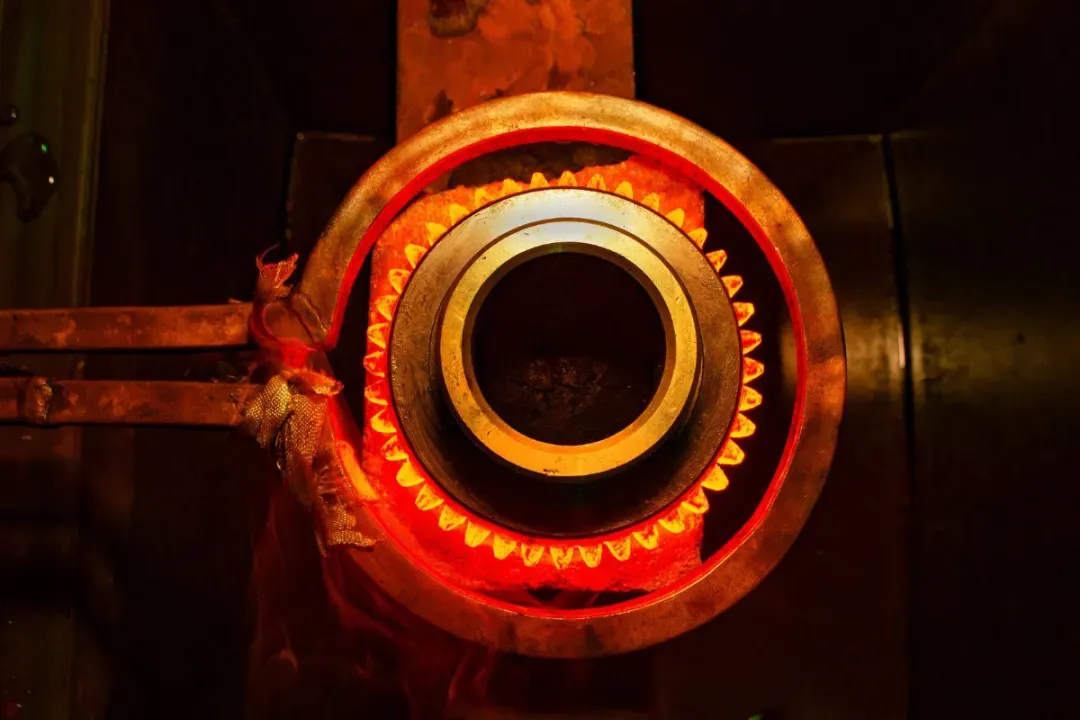
Induction brazing is a process where heat is applied to join metals through electromagnetic induction. Unlike traditional brazing methods, which require a direct flame or resistive heating, induction brazing heats metal indirectly using an electromagnetic field, providing precision heating exactly where you need it. The result? Strong, clean bonds with minimal distortion or oxidation.
When you use an induction brazing machine, the induction heating coils generate an alternating current that creates an electromagnetic field around the part. This field induces eddy currents within the metal, causing it to heat quickly and evenly. For manufacturers looking to boost induction heating efficiency, this controlled, non-contact heating method minimizes waste and improves safety.
Induction Brazing Tools and Equipment
To achieve top-notch results, it’s essential to have the right
induction brazing tools and equipment. ThermESC Intl. provides a comprehensive range of equipment and accessories to meet your brazing needs:
Induction Brazing Tools and Equipment
-
Induction Brazing MachinesList Item 1
- Stationary vs. Portable Machines: Whether you need a benchtop unit for small parts or a heavy-duty, industrial-grade induction brazing machine for large-scale operations, we’ve got you covered.
- Power and Frequency: Different applications require different power levels and frequencies. ThermESC Intl. offers customized machines with adjustable power settings to suit any brazing project.
-
Induction Brazing ToolsList Item 2
- Induction Coils: The heart of the induction system. Choose from a variety of coil designs tailored to specific applications, including single-shot and multi-turn coils, to maximize induction heating efficiency.
- Clamps and Holders: Secure parts effectively to ensure stable and even heating.
- Electric Brazing Tools: These are specially designed to work seamlessly with our brazing systems, offering ease of control and high durability.
Our induction brazing equipment is designed with you in mind—precise, reliable, and built to last.
-
Accessories and Add-onsList Item 3
- Enhance your setup with advanced controls, such as temperature monitoring systems, quenching tools, and atmosphere controls to achieve the exact results your application requires.
With ThermESC Intl.’s induction brazing tools, you’re not just getting a machine; you’re getting a complete solution tailored to maximize your induction heater’s potential.
Applications of Induction Brazing in Various Industries
Induction brazing is a versatile process suitable for numerous industries. Here are some of the key applications:
Automotive
Ideal for assembling fuel injectors, brake components, and fuel systems, where reliable bonds are crucial.
Aerospace
Aerospace parts require high-performance materials and reliable joints. Induction brazing ensures uniform heating for intricate parts and materials.
Electronics
The precise heating capability makes it perfect for delicate electronic components where even a slight variation in heat can cause damage.
HVAC
Brazing with induction offers a cleaner, more controlled process for creating durable bonds in HVAC systems, such as connecting copper pipes.
Whether you’re joining small electronics or large industrial components, induction brazing provides the precision and strength your applications demand.
Key Benefits of Induction Heating for Brazing Applications
Switching to
induction heating brazing brings several benefits that traditional brazing methods can’t match:
Switching to induction brazing could save your facility both time and energy, enhancing productivity without compromising on quality.
How to Choose the Right Induction Brazing Machine?
Choosing the best
induction brazing equipment for your specific needs can seem daunting, but with the right approach, you’ll find the perfect match. Here’s what to consider:
Material Type
Different metals require different settings. Ensure your machine can handle various materials, especially if your processes require working with non-ferrous metals.
Application Volume
For high-production environments, an industrial-grade
induction brazing machine will offer the durability and power needed for continuous use.
Frequency and Power Output
For small, delicate parts, a lower frequency and precise control are key. For larger, thicker parts, consider machines with high power output.
Take the guesswork out of choosing equipment—ThermESC Intl. provides personalized guidance for every application.
Step-by-Step Induction Brazing Process
Using
induction heating brazing is straightforward with the right tools. Here’s a simple step-by-step guide:
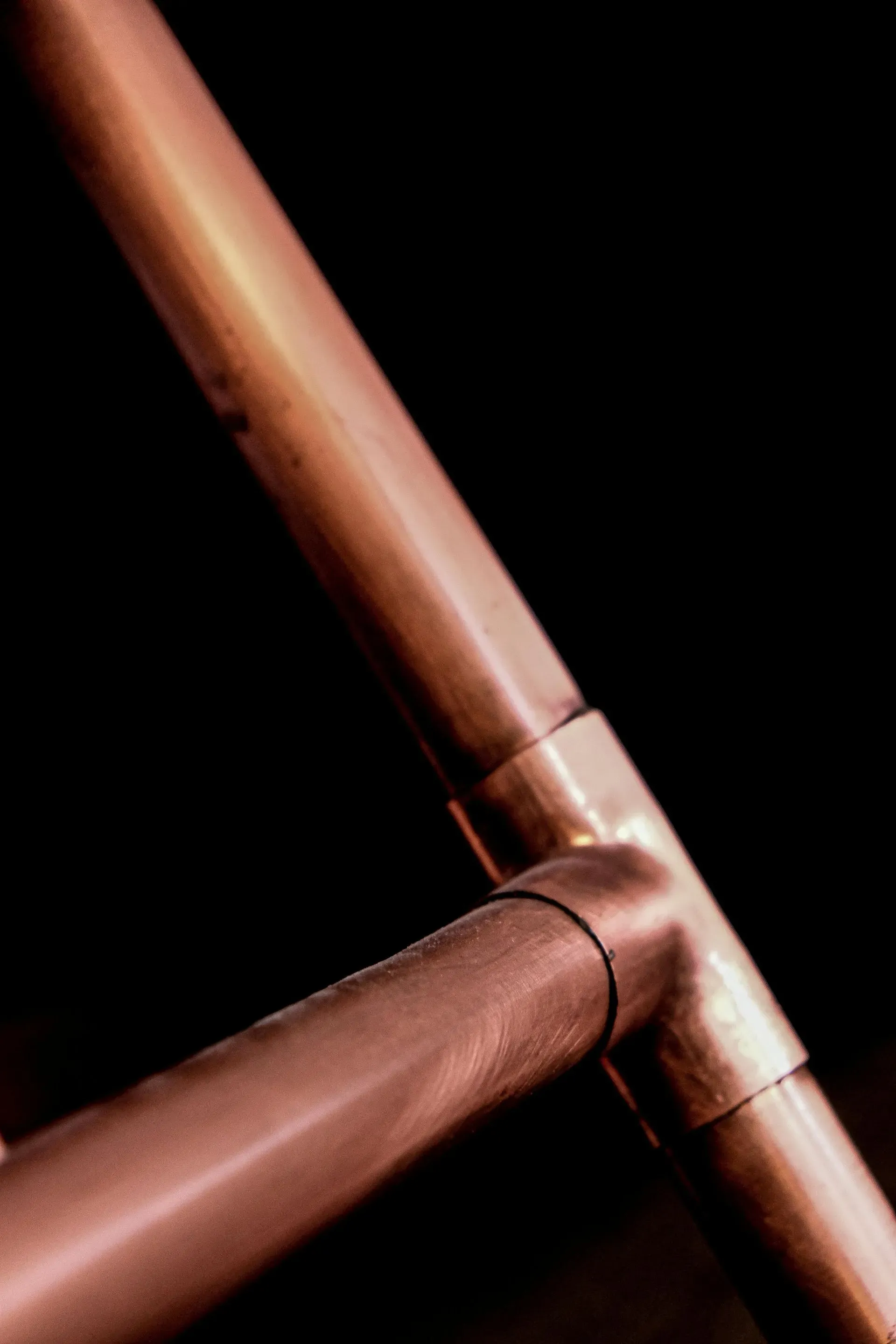
1. Prepare the Metals:
Clean and align the metals you intend to join.
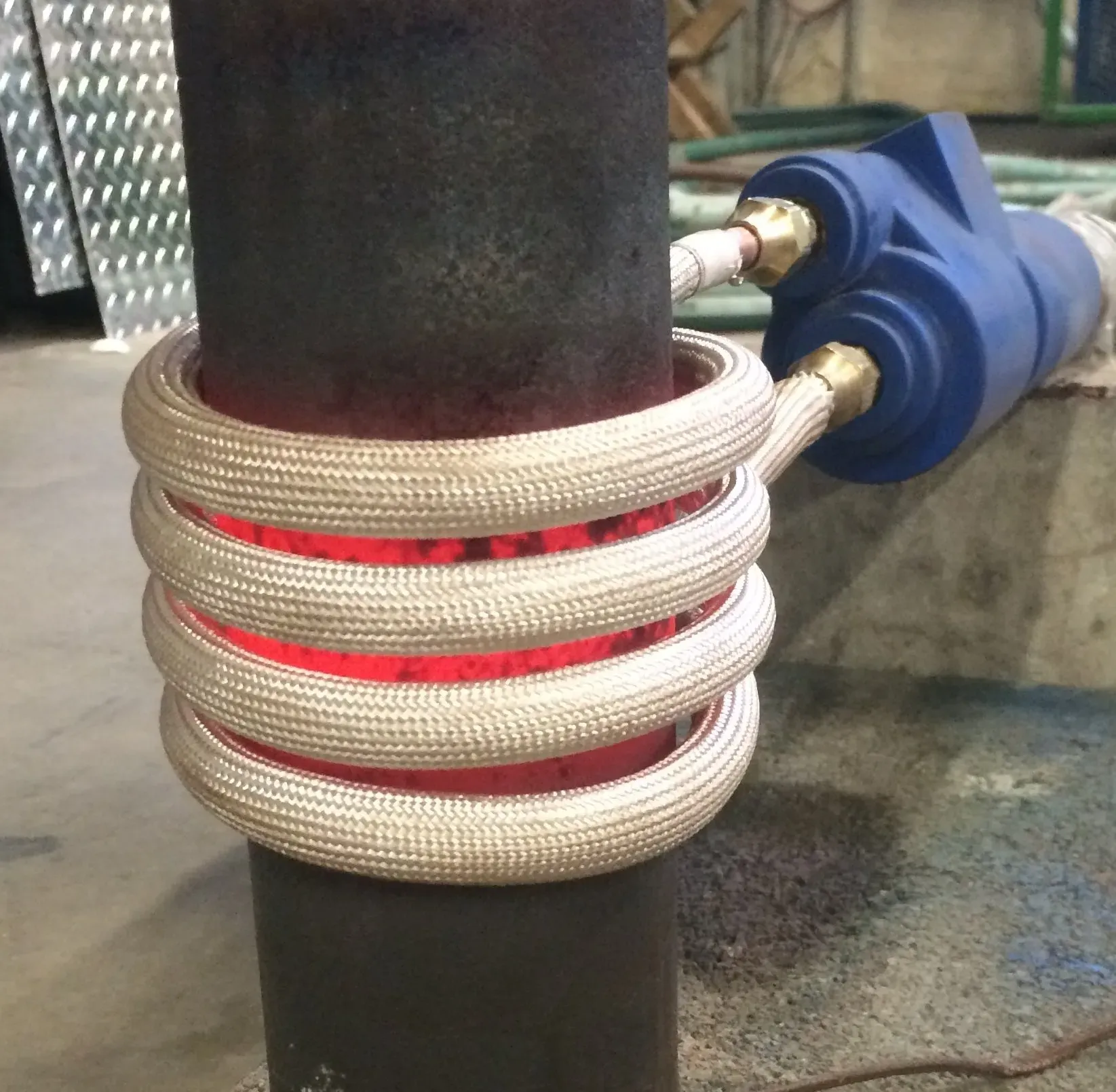
2. Position the Induction Coil:
Place the coil around the area to be brazed.
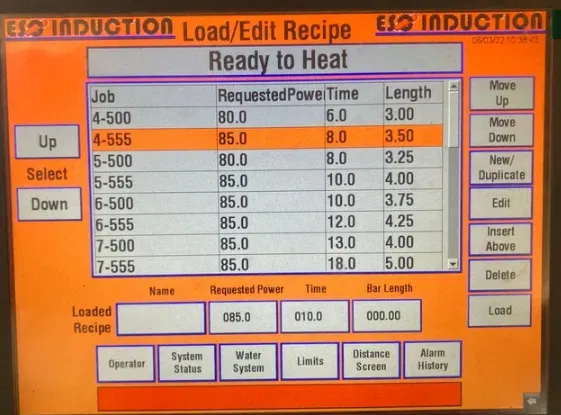
3. Set the Temperature and Power:
Adjust your induction brazing tool based on the material type and size.
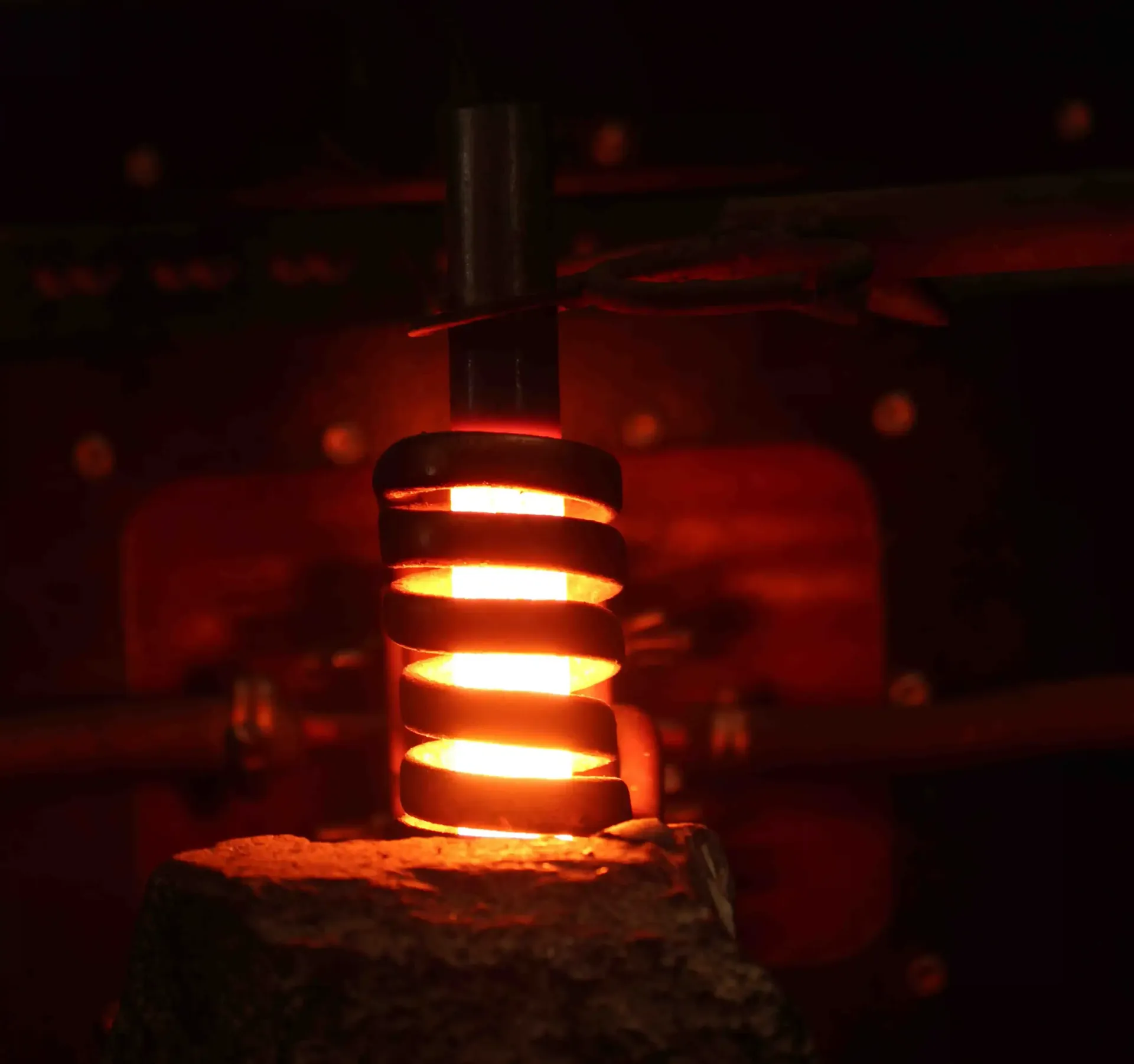
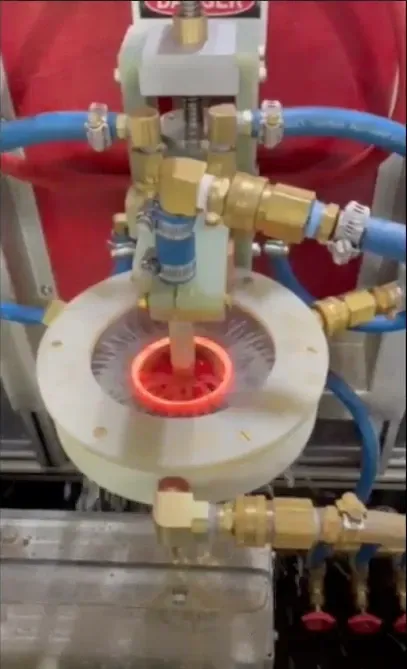
With induction brazing, this process is rapid and produces high-quality results, especially when using induction heating coils designed for the job.
Safety Tips and Best Practices for Induction Brazing
While induction brazing is safer than traditional flame-based methods, here are some essential safety tips to keep in mind:
- Use Proper PPE: Always wear gloves, goggles, and other protective equipment.
- Maintain Clean Equipment: Regularly clean and inspect your induction brazing machine to ensure consistent performance.
- Avoid Overheating: Carefully monitor temperatures to avoid overheating, which can damage both parts and equipment.
Frequently Asked Questions about Induction Heating Brazing
How does induction brazing differ from soldering or welding?
Induction brazing uses a filler material to bond metals, much like soldering, but it typically operates at higher temperatures. Unlike welding, induction brazing doesn’t melt the base metals, resulting in a cleaner, more precise bond.
What metals can be brazed with induction?
Induction brazing is suitable for various metals, including steel, copper, and certain alloys, making it ideal for a range of industrial applications.
Can induction brazing be used on delicate parts?
Yes! The localized, controlled heating of induction heating brazing allows for precise heating, which is perfect for delicate and complex parts.
Discover the Power of Induction Brazing with ThermESC Intl.
Ready to take your brazing to the next level? Contact ThermESC Intl. today and explore the future of induction heating.
We are dedicated to helping you harness the full power of induction technology. With our range of
induction brazing tools and industry expertise, we’re here to guide you toward greater productivity and reliability in all your brazing applications.
