Why Engineered Induction Solutions Beat Standard Heating Systems
How Induction Heating Helps Manufacturers Reduce Downtime and Improve Production Flow
In manufacturing, downtime is one of the most expensive problems a facility can face. When a heating system slows down, becomes inconsistent, or stops completely, the impact reaches far beyond one machine. Production schedules fall behind, operators lose valuable time, maintenance teams are pulled into emergency work, and customer deadlines become harder to meet.
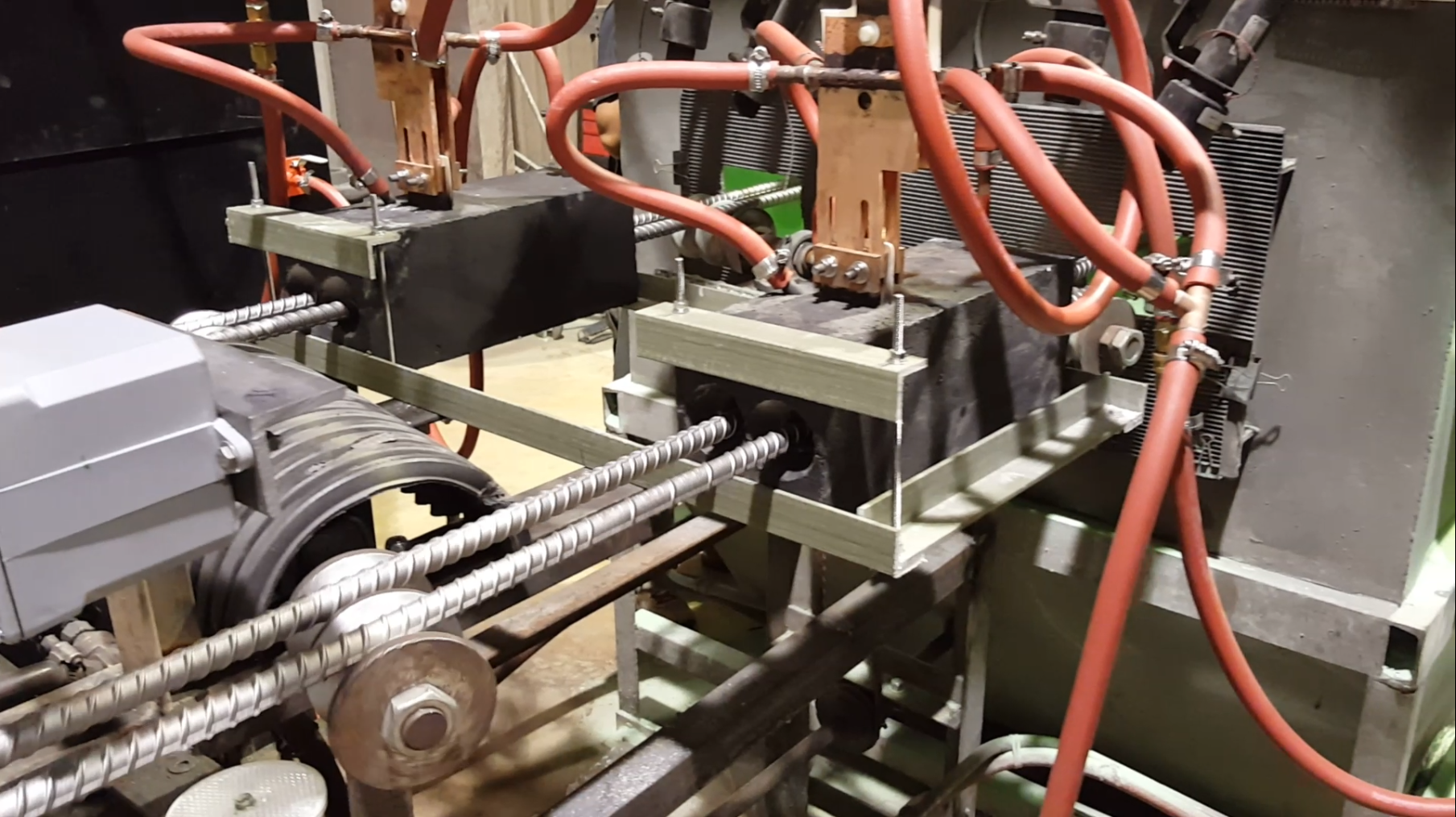
At ThermESC, we help manufacturers address these problems with reliable induction heating systems designed for real production environments. Through the combined strengths of ThermESC, ESC Induction, and Thermo International, we support customers with engineered machinery, automation lines, custom coils, portable induction systems, accessories, field service, and preventative maintenance support.
Induction heating is not only a faster way to heat metal. It is a practical solution for improving uptime, reducing process variation, and keeping production moving.
Why Downtime Happens in Industrial Heating Systems
Many facilities rely on heating systems that were installed years ago and have been pushed beyond their original design. Over time, these systems may become harder to maintain, less energy efficient, and more difficult to control. Common downtime issues include worn components, uneven heating, slow warm-up cycles, cooling problems, and inconsistent temperature control.
Traditional heating methods, including flame-based systems and large ovens, can create additional challenges. They often require long start-up times, produce excess ambient heat, and may be harder to integrate into automated production lines. When a process depends on consistent temperature, even small variations can lead to scrap, rework, or slowed line speeds.
In many plants, the heating stage becomes the bottleneck that limits the entire operation.
How Induction Heating Improves Production Flow
Induction heating works by generating heat directly inside the metal part. Instead of heating the air around the part, induction delivers energy where it is needed. This creates faster response times, better control, and more repeatable results.
For manufacturers, this can improve production flow in several ways:
- Faster heat-up times help reduce waiting between cycles.
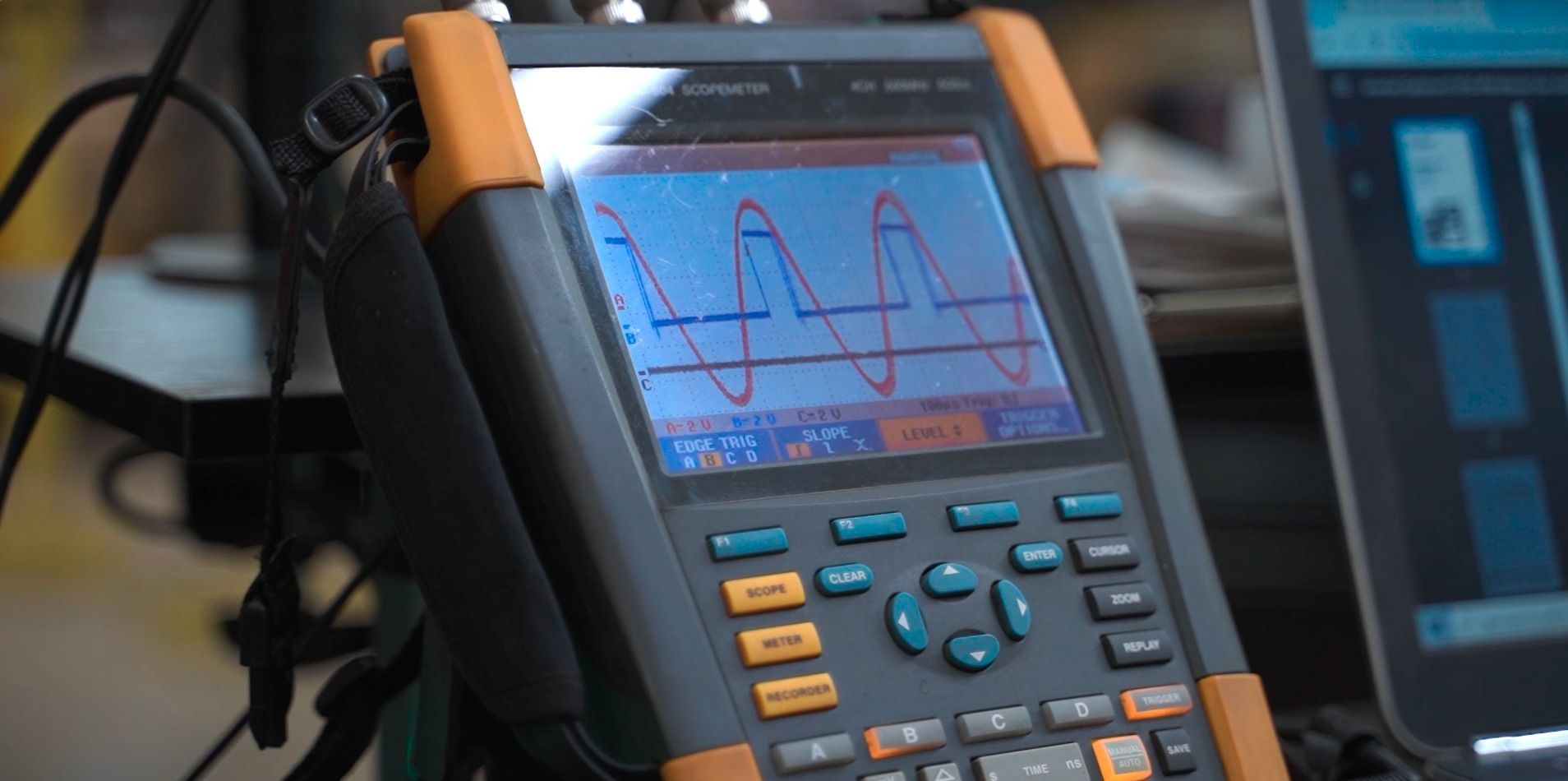
- Precise temperature control improves part-to-part consistency.
- Repeatable heating cycles reduce operator adjustment.
- Cleaner operation eliminates open flame at the point of use.
- Compact equipment layouts support automation and production line integration.
Whether the application involves heat treating, epoxy coating, forging, forming, bolt heating, or custom production processes, induction can help manufacturers improve both speed and reliability.
Share with Your Network