Custom Coils: The Key to Better Induction Heating Performance
When manufacturers evaluate an induction heating system, most of the attention usually goes to the power supply, controls, automation, and output capacity. Those are all important parts of the system, but there is one component that has an outsized influence on performance, efficiency, and reliability: the induction coil.
At ThermESC, we have seen it time and time again. A well-designed power supply can only do so much if the coil is not built correctly for the part, the process, and the production environment. The coil is where electrical energy becomes useful heat. It determines how evenly a part heats, how fast a cycle runs, how much energy is wasted, and how often the system will need service.
That is why custom coil design is not a small detail. It is one of the most important decisions in any induction heating application. With the combined expertise of ThermESC, ESC Induction, and Thermo International, our team helps customers design, repair, and optimize coils for everything from automation lines and epoxy coating systems to field heating and specialty industrial applications.
Why the Coil Matters So Much
An induction system does not heat a part by accident. The coil creates the electromagnetic field that transfers energy into the material. The shape, size, spacing, and construction of that coil all influence how that energy is delivered.
Even small design changes can affect:
- Heating speed
- Temperature uniformity
- Part distortion
- Energy efficiency
- Cycle consistency
- Coil life
In other words, the coil does not just support the process. It helps define the process. If a coil is poorly matched to the application, the result may be uneven heating, longer cycle times, unnecessary power consumption, and repeated troubleshooting on the production floor.
A custom coil gives manufacturers more control over the way heat is applied, which leads to better process stability and stronger results.
Standard Coils vs Custom Coils
In some basic applications, a standard coil may be enough to complete the job. But many industrial environments do not have simple requirements. They involve unique part geometries, varying material thicknesses, line speed targets, and specific quality demands.
That is where custom coil design becomes essential.
A standard coil may create heat, but a custom coil is designed to create the right heat in the right location at the right speed.
Custom coils are especially important when the application involves:
- Complex part shapes
- Localized heating zones
- High-volume production
- Automation integration
- Strict metallurgical or coating requirements
- Field conditions where durability matters
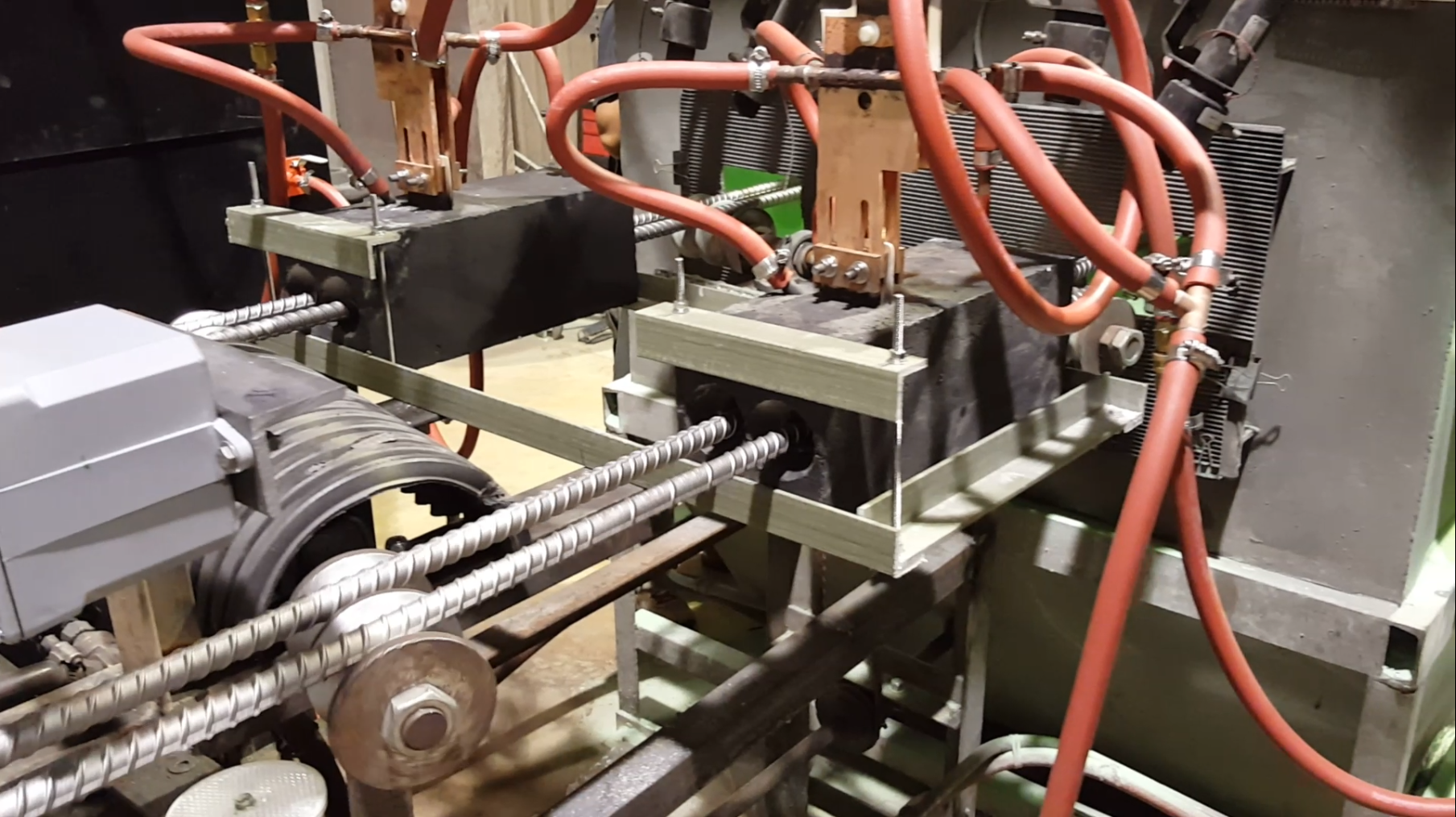
ESC Induction specializes in coil development for stationary custom machinery and automation lines, while Thermo International supports portable and field-based applications that require rugged, dependable inductors. Together with ThermESC, this gives customers access to coil solutions that are built around the realities of their process, not around generic assumptions.
How Coil Geometry Affects Heat Distribution
One of the most important aspects of coil design is geometry. The shape of the coil determines the shape of the electromagnetic field. That field determines how heat enters the part.
Key design factors include:
- Coil diameter: Affects coupling and efficiency between the coil and the part
- Number of turns: Influences field strength and heating pattern
- Turn spacing: Helps shape temperature distribution
- Coil length: Determines how much of the part is heated at once
- Part positioning: Impacts repeatability and consistency
If the geometry is wrong, the part may heat too much in one area and too little in another. In coating applications, this can lead to poor adhesion or inconsistent finish. In heat treating, it can affect hardness profiles or cause distortion. In forming or assembly applications, it may create unpredictable results from one cycle to the next.
Good coil design is not only about making the part hot. It is about making the heat predictable, repeatable, and useful.
Efficiency Starts at the Coil
Manufacturers often look at power consumption and assume the power supply is the primary factor in energy use. In reality, the coil has a major effect on system efficiency. If the coil does not couple well to the part, more energy is wasted and more power is needed to reach the desired temperature.
A properly designed custom coil can help:
- Reduce cycle times
- Minimize wasted energy
- Improve line speed
- Lower operating costs
- Reduce stress on system components
This is especially important for applications that run multiple shifts or operate year-round. Over time, even a modest improvement in coil efficiency can produce meaningful savings in energy, labor, and maintenance.
Durability and Service Life
Industrial induction coils operate in demanding conditions. They are exposed to heat, coolant flow, vibration, oxidation, and physical wear. A coil that is poorly designed or poorly built may deliver acceptable performance at first, but fail much sooner than expected in production.
Custom coil design should account for more than thermal performance. It also needs to consider service life and repairability.
Important durability factors include:
- Material selection
- Cooling path design
- Braze quality and joint integrity
- Insulation and protective coatings
- Mounting stability
- Access for cleaning and inspection
At ESC Induction and Thermo International, coil design is approached with real-world service conditions in mind. That means creating coils that are not only effective, but practical to maintain and repair when needed.
When a Standard Coil Costs More in the Long Run
It can be tempting to use a standard coil to reduce upfront cost or speed up delivery. In some cases, that may be the right decision. But for many manufacturers, the hidden costs of a poorly matched coil outweigh the initial savings.
Those hidden costs may include:
- More rejected parts
- Longer cycle times
- Higher energy usage
- Frequent adjustments by operators
- Premature coil failure
- Unexpected downtime
A custom coil often reduces total cost by improving process performance and extending service life. It is not simply a component purchase. It is an investment in process quality and operational stability.
The Value of Coil Repair and Ongoing Support
Even the best coils eventually wear. That does not always mean they need to be replaced. In many cases, repair is a practical and cost-effective option. Cracks, worn connections, cooling issues, and surface damage can often be addressed if caught early.
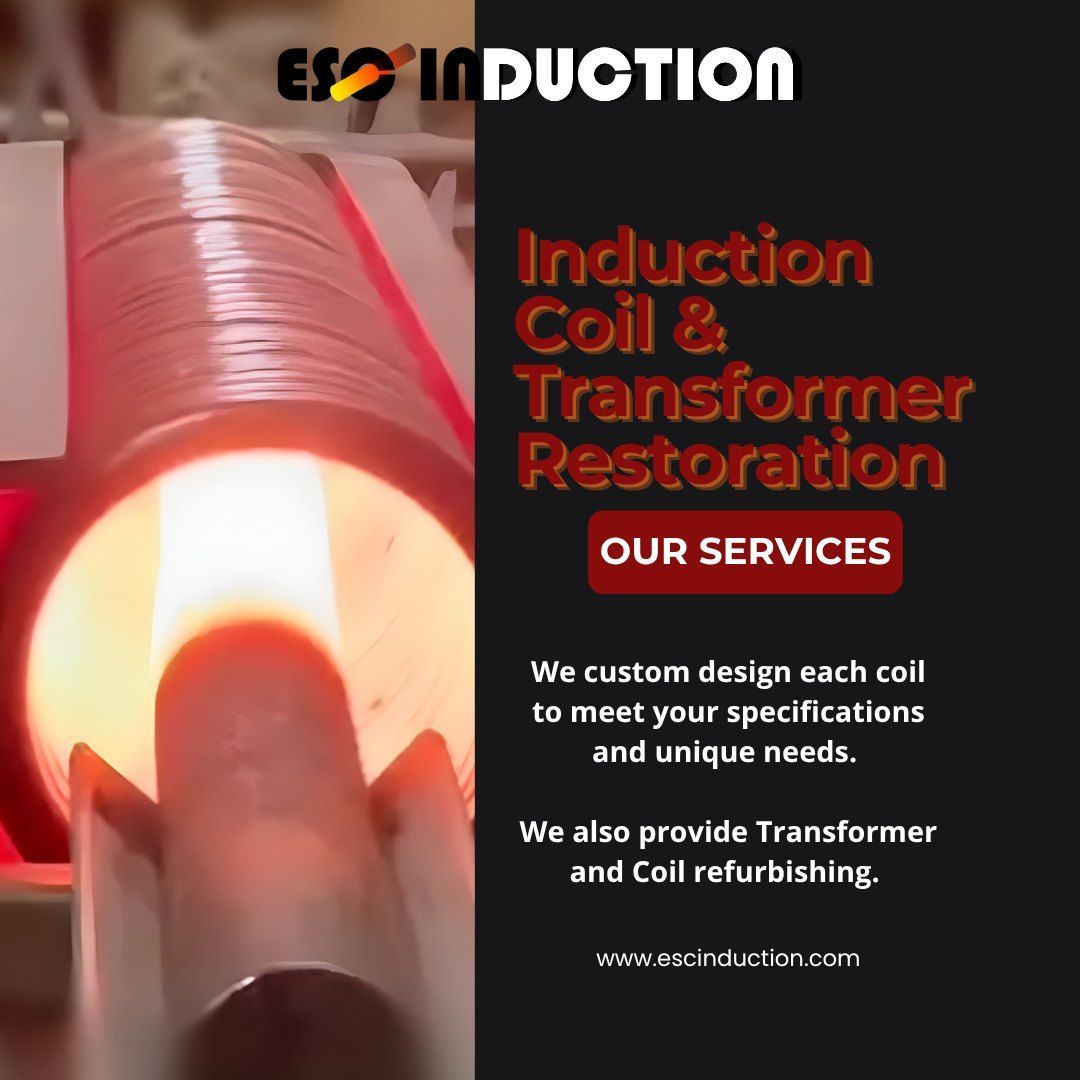
ThermESC, ESC Induction, and Thermo International support customers with both new custom coil builds and repair services. This helps manufacturers decide when repair makes sense, when replacement is the better choice, and how to minimize downtime either way.
Preventative maintenance also plays a major role. Regular inspections can identify wear before it becomes a production problem. That kind of proactive support keeps lines running and reduces the likelihood of emergency stoppages.
Choosing the Right Partner for Custom Coil Design
A coil is too important to treat as an afterthought. Manufacturers need a partner who understands the relationship between the coil, the power supply, the part, and the production environment.
At ThermESC, we work closely with ESC Induction and Thermo International to provide complete support across stationary systems, automation lines, portable applications, and specialty heating challenges. That combined expertise helps customers move beyond trial and error and toward heating solutions designed for long-term success.
If your current induction process is struggling with uneven heating, inconsistent results, or premature coil wear, the coil may be the first place to look.
To discuss a custom coil project, a coil repair need, or a full induction system review, contact ThermESC:
Phone:
970-483-5232
Website:
www.thermesc.com
Share with Your Network