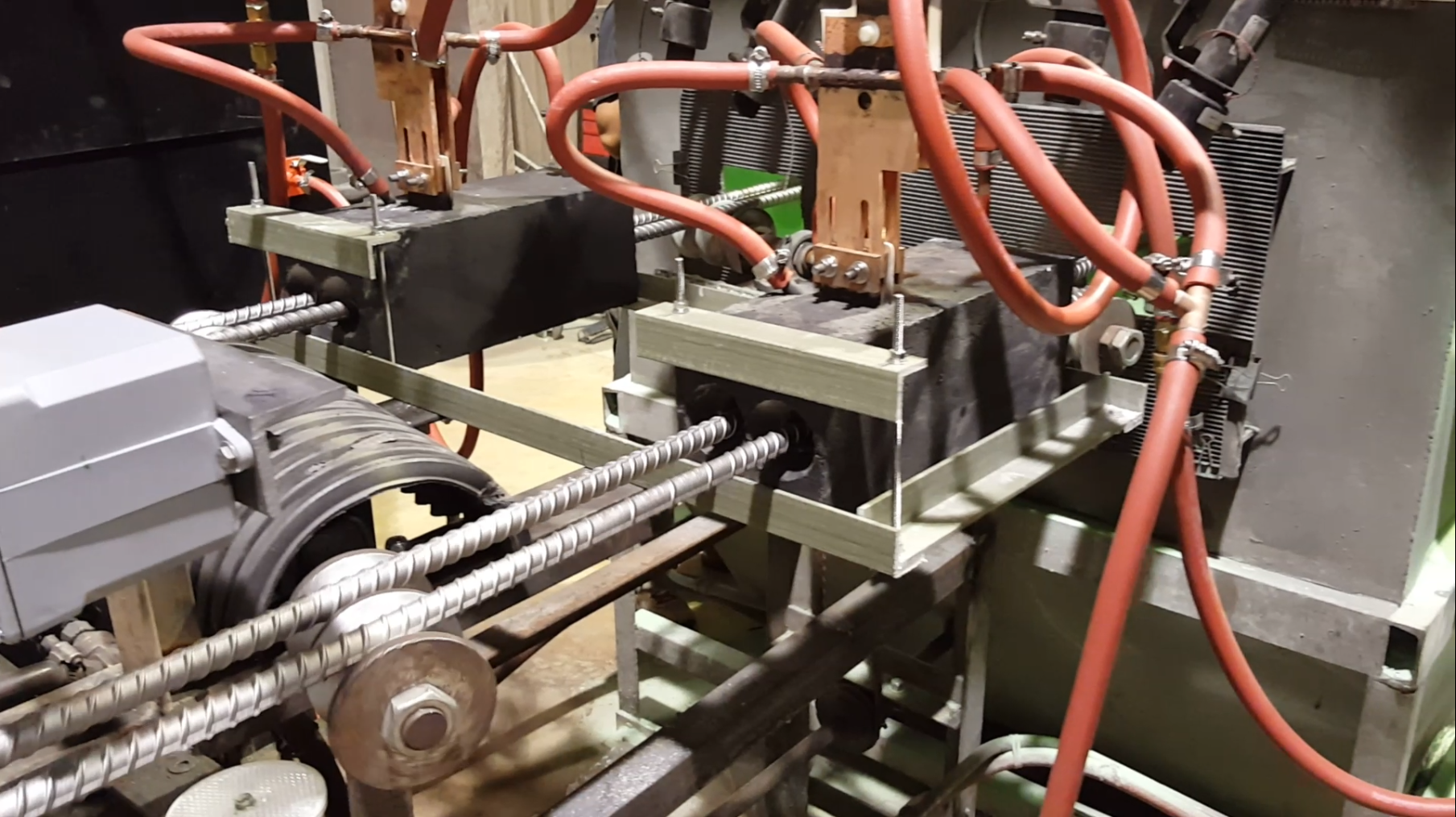
Facing Insufficient Induction heating power for large or dense materials?
If your induction heater isn't heating big metal pieces well, it can be annoying. This guide is for people in industries who are facing Insufficient Induction heating power issues or looking for high-power induction heating solutions.
The good news is that there are ways to fix these problems with the right tools. This blog will explain why your induction heater might not be working well and give some simple tips to improve it.
Ready to overcome heating challenges? Contact ThermESC Intl. today for customized solutions and upgrades to your induction heater!
How Can You Enhance Induction Heating Efficiency for Large Metal Workpieces?
Overcoming the difficulty of insufficient heating power requires the induction heating for large metal workpiece efficiency to be improved. Most of the time, this problem is caused by standard systems being unable to heat the material or get through it properly. To help you deal with this problem, we've listed below possible options.
- Increase power density: Effective penetration of dense materials requires the use of an induction heater with a higher power rating. Changing to high-power solutions guarantees enough energy supply for consistent heating of bigger parts. Investing in an optimal power-output system can significantly improve industries with demanding needs.
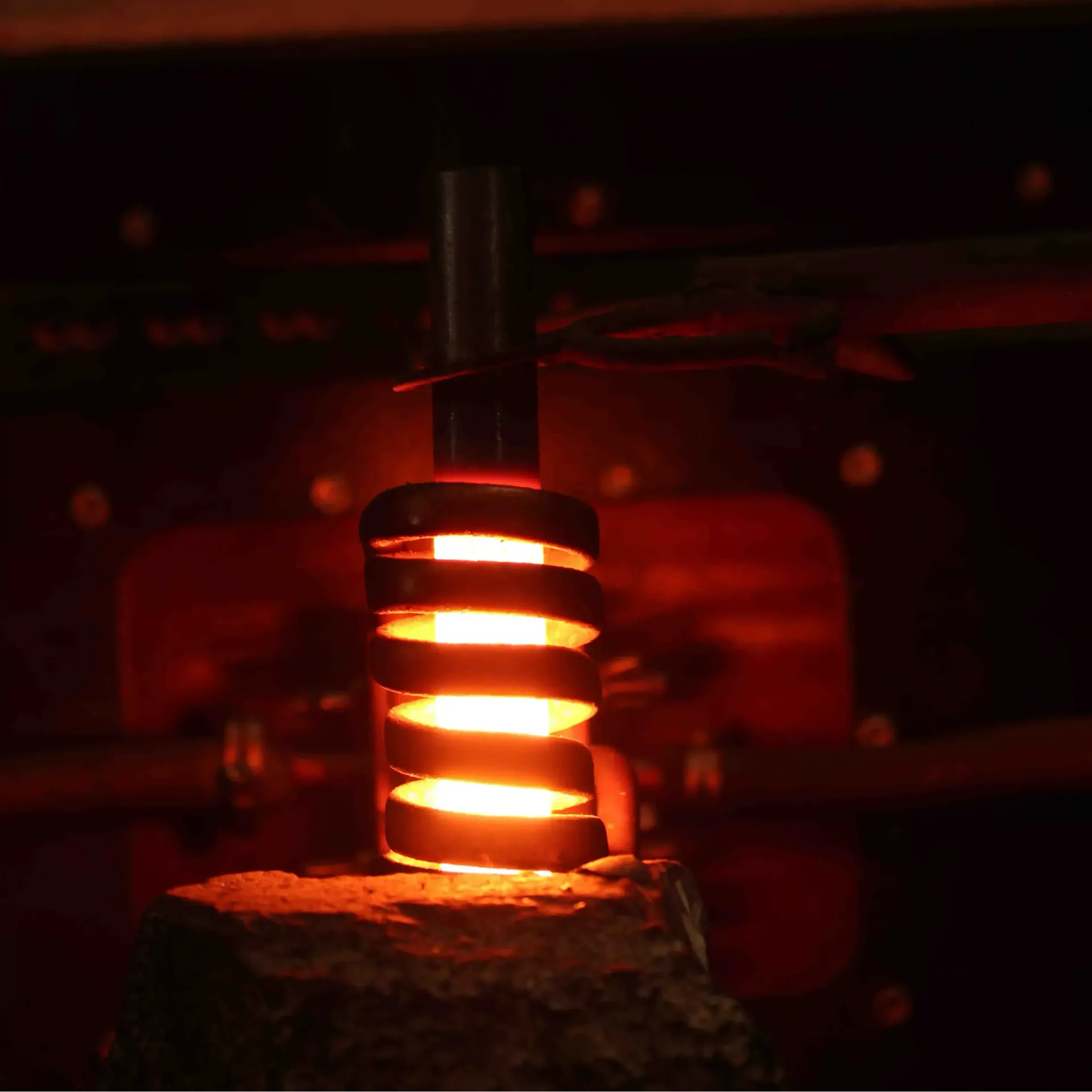
- Optimize coil design: The induction heating coil's design has a significant impact on heat transmission efficiency. Larger components can benefit from more uniform heat distribution from custom coils, which lowers energy waste and cold spots. Pancake or multi-turn coils are especially good at directing energy where it's most required. Uneven heating issues can be resolved by consulting professionals like ThermESC Intl. for specialized coil designs.
- Use proper insulation: To work with big parts, it is important to lose as little heat as possible. Energy dissipation is decreased by applying appropriate thermal insulation surrounding the coil and workpiece, which concentrates heat on the desired location. This reduces total energy expenses while simultaneously quickening the heating process.
- Upgrade your equipment: Modern heaters come with precise temperature controls, better energy management, and enhanced frequency adjustment options to cater to various material types and sizes.
What Factors Contribute to Insufficient Heating in Dense Materials Using Induction Heaters?
Insufficient heating in dense materials is a common challenge in industrial applications, but understanding the root causes can help you address the issue effectively. Let’s break down the contributing factors and practical solutions:
- Inadequate power supply: Dense materials absorb heat slower due to their higher thermal resistance. If your induction heater lacks sufficient power output for the size or density of the material, it will struggle to heat it efficiently.
Upgrade to a higher-capacity induction heater designed for industrial use. For example, models with adjustable power density can cater to various material properties.
- Improper coil alignment: Misaligned coils can cause uneven heat distribution, leading to hotspots or cold areas on the workpiece.
Ensure that the induction heating coil is properly aligned and calibrated to cover the workpiece uniformly. Using custom-designed coils tailored for specific geometries can significantly improve alignment and performance.
- Material-specific challenges: Dense or non-magnetic metals like aluminum require special techniques. Choose an induction system with adjustable frequency settings to cater to non-magnetic and dense materials. Advanced induction heating technologies can also include features like multi-frequency options for diverse applications.
- Cooling issues: Overheating the system reduces its effectiveness. Regularly maintain and upgrade your cooling system to handle the increased thermal load. Effective water-cooled systems can dissipate heat efficiently, ensuring uninterrupted operation.
By addressing these issues, you can maximize the output of your induction heater and minimize downtime.
What Are the Best Practices for Achieving Uniform Heating in Large Metal Parts?
Uniform heating ensures consistent quality:
- Preheat large parts: Gradual heating avoids stress fractures.
- Rotate the workpiece: This ensures all areas are evenly exposed to the induction heating coil.
- Use appropriate coil shapes: Designs like pancake coils help with even heat distribution.
For tailored guidance, consider ThermESC Intl.’s consultation services.
How Does Material Composition Affect Induction Heating Performance in Large Components?
When it comes to heating large or dense materials with induction heaters, the type of material plays a huge role in how well the process works. Different materials respond differently to induction heating, which is why understanding material composition is key to solving heating challenges:
- Ferromagnetic materials (e.g., steel): Such as steel and iron, heat quickly and efficiently due to their magnetic properties. As a result, the energy transfer is more effective, making these materials easier to heat—even for large components.
- Non-magnetic materials (e.g., aluminum): such as aluminum and copper require higher frequencies and power density to achieve the desired heat.
Using advanced induction heating technologies can help tailor the process for different material types, ensuring consistent results. Modern systems offer adjustable frequency settings and higher power output, which make it easier to work with both magnetic and non-magnetic materials. Additionally, custom-designed induction heating coils can help focus the energy exactly where it’s needed, improving efficiency.
What Role Does Coil Design Play in Heating Large or Dense Materials Effectively?
Coil design is one of the most important factors in achieving effective and efficient heating for large or dense materials. If the coil is not designed properly, it can lead to uneven heating, wasted energy, and poor-quality results. This can be especially frustrating when working with materials that require consistent temperatures for industrial processes. Let’s break it down and explore how you can solve this problem:
- Custom designs: Custom induction heating coils ensure that heat is evenly distributed across the workpiece.
- Multiple-turn coils: Using multiple-turn coils increases the area of contact with the workpiece, allowing for greater energy transfer.
- Adjustable coils: Flexible designs allow you to adapt various shapes and sizes.
ThermESC Intl., we specialize in custom induction heating coils designed for your unique needs. Contact us today for expert solutions to upgrade your induction heating process.
How Can Frequency Adjustment Improve Heating Power for Dense Materials in Induction Systems?
Frequency adjustment is one of the most important factors when it comes to heating dense materials with an induction heater. It helps ensure that the right amount of heat reaches the material efficiently and consistently. If the frequency isn’t set correctly, you might face issues like uneven heating, slower processing times, or energy waste:
- Low Frequencies (1-10 kHz): These are ideal for larger and denser materials because they allow the heat to penetrate deeper into the material. This ensures the entire volume of the material is heated effectively, not just the surface.
- High Frequencies (100 kHz or more): These are better suited for smaller or thinner materials because they heat the surface quickly without much penetration.
How to Adjust Frequency for Dense Materials?
- Evaluate Your Material: Start by understanding the size, thickness, and type of material you're working with. Dense materials like steel or iron benefit most from lower frequencies.
- Use Adjustable Frequency Heaters: Modern induction heaters often allow you to adjust the frequency settings. This feature lets you fine-tune the system for your specific material.
- Test and Monitor: Begin with a lower frequency and monitor how well the heat penetrates. Adjust as needed for optimal results.
By optimizing the frequency settings of your induction heater, you can achieve better heating results for dense materials.
How Does Power Density Influence the Heating of Large or Dense Materials in Induction Heating?
Power density determines how quickly and effectively heat is transferred:
- Higher power density: Necessary for dense materials to overcome thermal resistance.
- Low power density: Can lead to slow heating and uneven results.
Invest in high-power induction heating solutions to improve productivity and reduce energy waste.
What Cooling System Considerations Are Essential for Heating Large Workpieces?
Cooling systems play a crucial role in preventing overheating:
- Adequate water flow: Keeps coils and power units from overheating.
- Regular maintenance: Prevents clogs and ensures efficient cooling.
- Modern systems: Upgrade to advanced cooling solutions for optimal performance.
Efficient cooling is critical for industrial-scale induction heating large workpieces.
How Can You Troubleshoot Common Issues in Induction Heating of Dense Materials?
Troubleshooting problems with induction heating for dense materials can be simple if you know where to look. Here are some practical steps to solve common issues:
- Check Coil Alignment: If the coil is not properly positioned around the material, the heat won’t transfer evenly. Adjust the coil to ensure it surrounds the workpiece correctly. This step is crucial for efficient heating.
- Inspect the Power Supply: Sometimes, the heater isn’t powerful enough for dense materials. Confirm that your induction heater’s power matches the material's requirements. If it’s underpowered, consider upgrading to a higher-capacity system.
- Monitor Temperature: Use tools like infrared cameras or thermometers to ensure the material heats consistently. Spotting uneven temperatures early can prevent production delays.
- Upgrade Components: Older coils or control panels can reduce efficiency. Replacing outdated coils with modern alternatives can significantly improve performance.
What Advanced Technologies Are Available to Boost Induction Heating Power for Large Components?
Technological advancements can make a significant difference:
- Programmable control panels: Allow precise temperature settings.
- Smart induction systems: Monitor and adjust parameters automatically.
- High-frequency converters: Enhance performance for non-magnetic materials.
- Custom induction heaters: Designed to meet specific industrial needs.
Explore the latest innovations with ThermESC Intl. to stay ahead of the competition.
ThermESC Intl. specializes in helping industries overcome challenges like insufficient heating power for large or dense materials. From induction heating coil design to advanced induction heating technologies, we provide solutions tailored to your needs. Don't let inefficient systems slow you down.
Contact ThermESC Intl. today to optimize your induction heater and ensure consistent, high-quality heating results!
Share with Your Network