From Bottlenecks to Breakthroughs: How Induction Heating Strengthens Modern Epoxy Coating Lines
Epoxy coating lines are essential to industries that rely on strong, corrosion-resistant materials. Whether your operation coats rebar, wire, pipe, or custom steel components, the success of the entire line depends on consistent coating quality, proper adhesion, and reliable throughput.
Many facilities struggle with a common challenge: the heating stage becomes the bottleneck that slows everything down.
At ThermESC, our induction heating technology removes these bottlenecks and supports faster, cleaner, and more predictable epoxy coating processes. With the combined strength of our sister companies, ESC Induction in Colorado and Thermo International in New Jersey, we bring decades of experience in custom machinery, coils, automation lines, and service support. Together, we help manufacturers modernize their coating lines and solve the most persistent production challenges.
Understanding Heating Challenges in Epoxy Coating Lines
Epoxy coatings depend on precise thermal conditions. When temperatures fluctuate, or when material heats too slowly, quality issues appear immediately. Traditional heating systems create several predictable problems.
Slow Heat Transfer
Ovens and open-flame systems heat the air first and the steel second. This leads to:
• Slow warm-up cycles
• Uneven temperature distribution
• Frequent operator adjustments
When steel enters the coating stage below target temperature, epoxy cannot level or bond the way it should. This results in coating defects and reduced corrosion protection.
Temperature Inconsistency
Epoxy chemistry is sensitive. Even small changes in temperature can cause:
• Variations in film thickness
• Rough textures
• Poor adhesion
• Inconsistent flow
Traditional heating methods struggle to keep temperatures steady during shifts or when material sizes change.
High Energy Use
Heating large volumes of air requires significant energy. Flame systems introduce even more heat loss and safety concerns.
Frequent Downtime
Burners, elements, and other components in conventional heaters wear out quickly. When they fail, production stops completely.
For many plants, heating is the number-one cause of reduced throughput and unplanned downtime.
Induction heating transforms epoxy coating lines by heating the steel from within instead of wasting energy heating the surrounding environment.
Rapid and Consistent Heating
Induction delivers heat directly into the steel. This provides faster, more predictable heating that keeps line speeds steady and eliminates warm-up delays.
More predictable heat means better coating quality and higher throughput.
Superior Temperature Control
ThermESC and ESC Induction systems offer precise thermal control through continuous monitoring and automatic power adjustments. This helps maintain the exact temperature required for epoxy to flow and adhere properly.
Stable temperature produces smoother finishes and uniform coating thickness across every shift.
Improved Epoxy Performance
Consistent heating results in:
• Better epoxy leveling
• Stronger adhesion
• Uniform surfaces
• Fewer defects
These improvements lead to stronger, more reliable finished products.
Lower Energy Consumption
Because induction heats the steel itself, facilities often see energy savings between 30 and 60 percent. With no flame and no superheated air, plants also reduce their environmental load and create a cooler workspace.
Less Downtime and Easier Maintenance
ThermESC systems use modular components that are easy to service. Our sister company ESC Induction provides custom coils and rapid service response, while Thermo International supports international work and portable heating needs.
This combined support reduces downtime and extends system life.
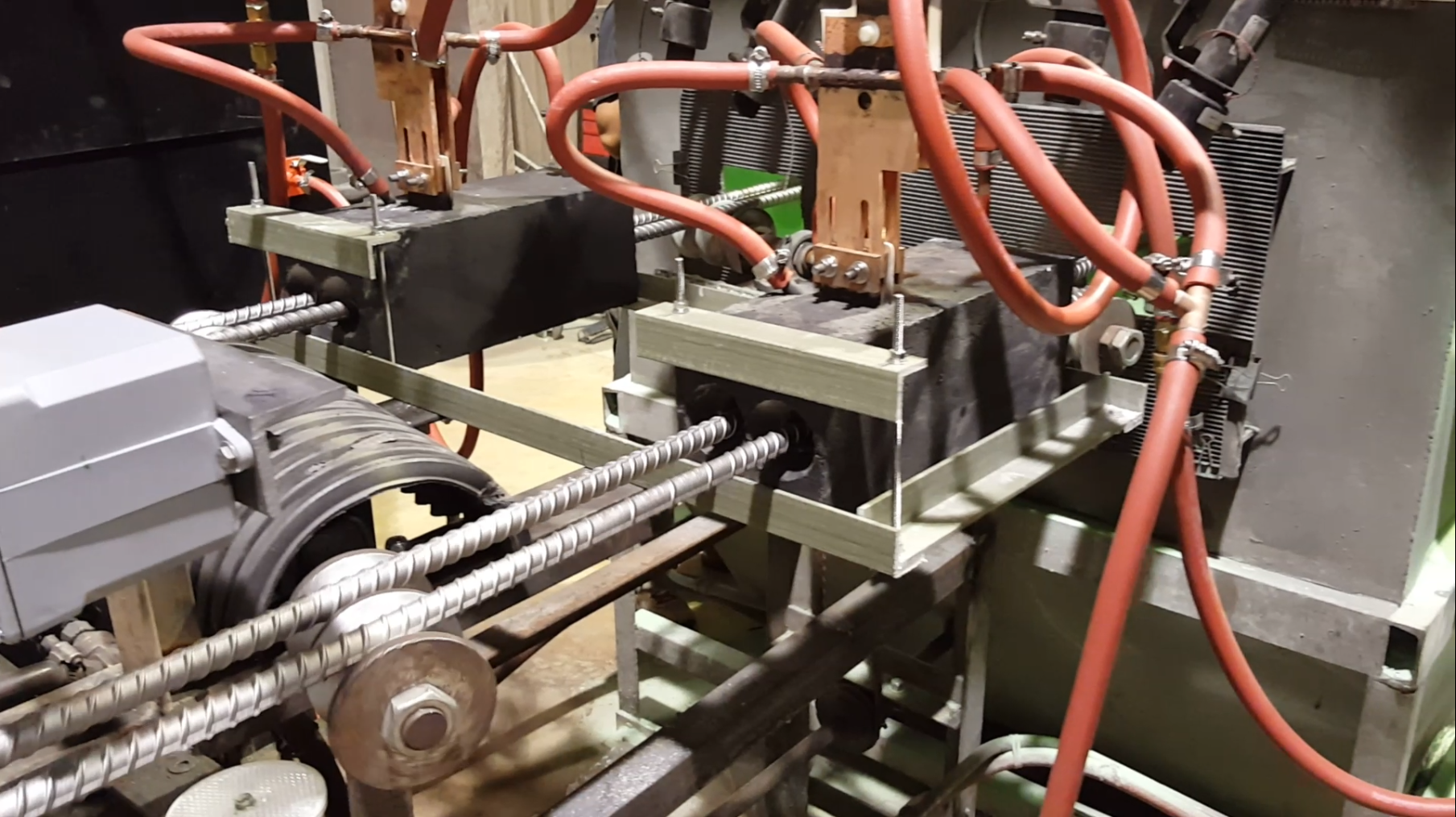
Real Improvements in Epoxy Rebar Coating Lines
A manufacturer running a large epoxy rebar coating line struggled with slow heating and inconsistent temperatures. This forced operators to slow conveyor speeds and created variable coating quality.
After installing a custom ThermESC induction heating system, the plant recorded impressive results.
Key improvements included:
• More than 30 percent increase in throughput
• 48 percent reduction in energy usage
• Noticeably improved coating consistency and adhesion
• Zero heating-related downtime during the first 90 days
• Full compatibility with existing automation
• Reduced maintenance requirements
Technicians also reported a much more stable temperature profile across a range of rebar sizes, allowing them to maintain consistent speeds without constant adjustments.
Supporting Automation and Long-Term Growth
Modern coating lines continue to move toward greater automation and precision. Induction heating aligns naturally with these goals.
Integration with Automation Equipment
ThermESC systems integrate smoothly with PLC controls, conveyors, robotic handling stations, and inspection systems. This helps maintain consistent coating performance in high-speed environments.
Predictable Maintenance Scheduling
Because induction components have predictable wear patterns, plants can schedule maintenance proactively. ESC Induction and Thermo International support customers with diagnostics, coils, parts, and field service.
Scalable Architecture
Modular heating architecture allows facilities to expand capacity or update coil systems without replacing entire units.
This protects long-term investment and reduces future upgrade costs.
A Better Heating Solution for Epoxy Coating Lines
Epoxy coating lines need consistent performance to stay competitive. Induction heating provides the speed, temperature stability, and efficiency required for modern production environments.
With the combined expertise of ThermESC, ESC Induction, and Thermo International, manufacturers gain a long-term partner dedicated to improving coating quality, reducing downtime, and strengthening operational reliability.
If your coating line deals with slow heating, uneven temperatures, or rising energy costs, induction technology can provide a clear path forward.
Contact ThermESC
To speak with our team or schedule an assessment:
Phone:
970-483-5232
Website:
www.thermesc.com
Share with Your Network