From Coils to Controls: Optimizing Every Piece of Your Induction System
When it comes to induction heating, the saying “it’s all in the details” couldn’t be more true. While the technology itself is inherently efficient, the way a system is engineered—from the coils that deliver the energy to the control boards that manage every cycle—determines just how much performance, reliability, and cost savings you can expect.
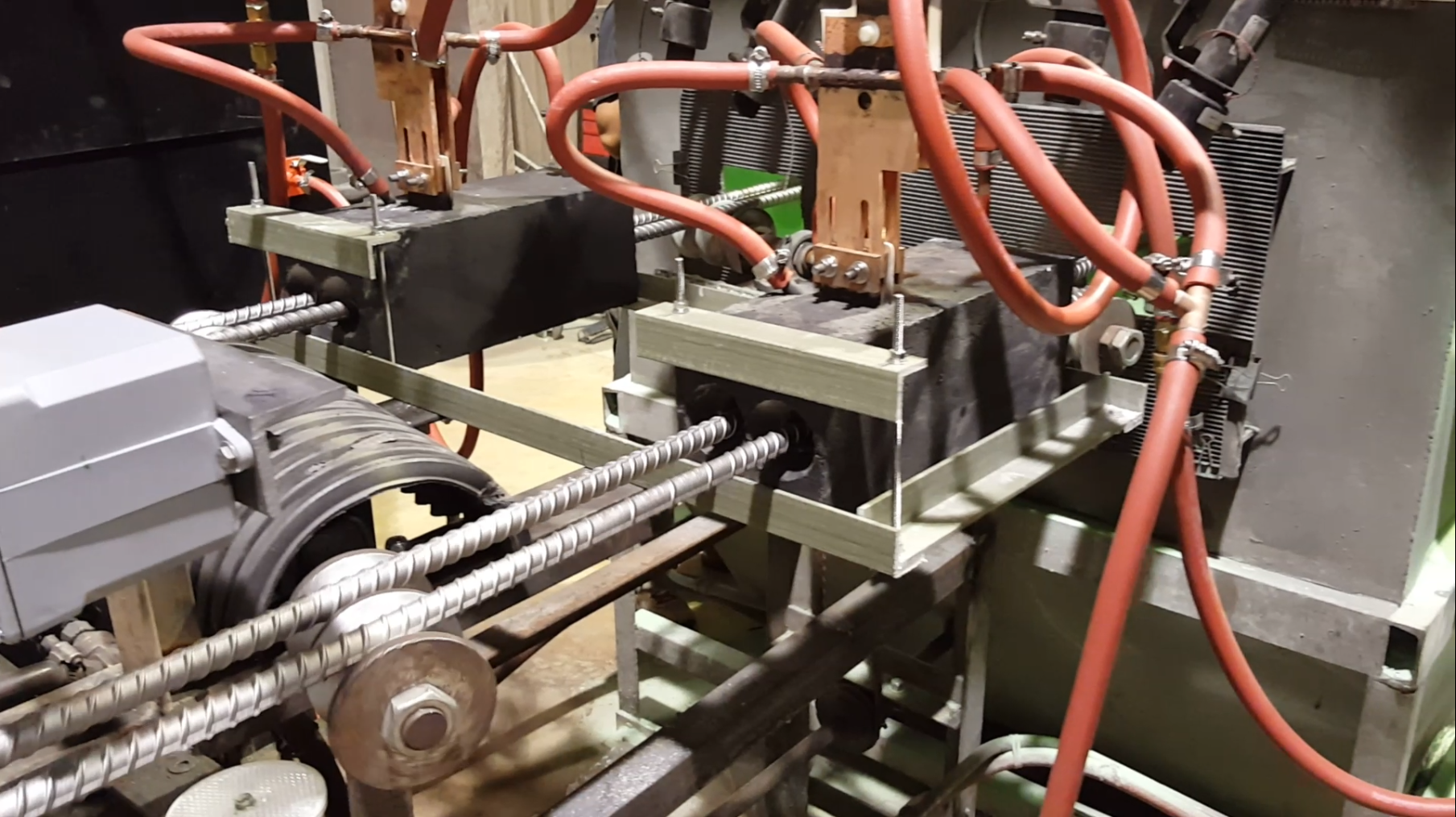
At ThermESC, we specialize in optimizing every piece of the induction heating system. By taking a deep dive into induction coil design, control boards, and modular power systems, we ensure that our customers not only get faster and cleaner heating, but also measurable gains in induction efficiency and long-term ROI.
The Critical Role of Induction Coils
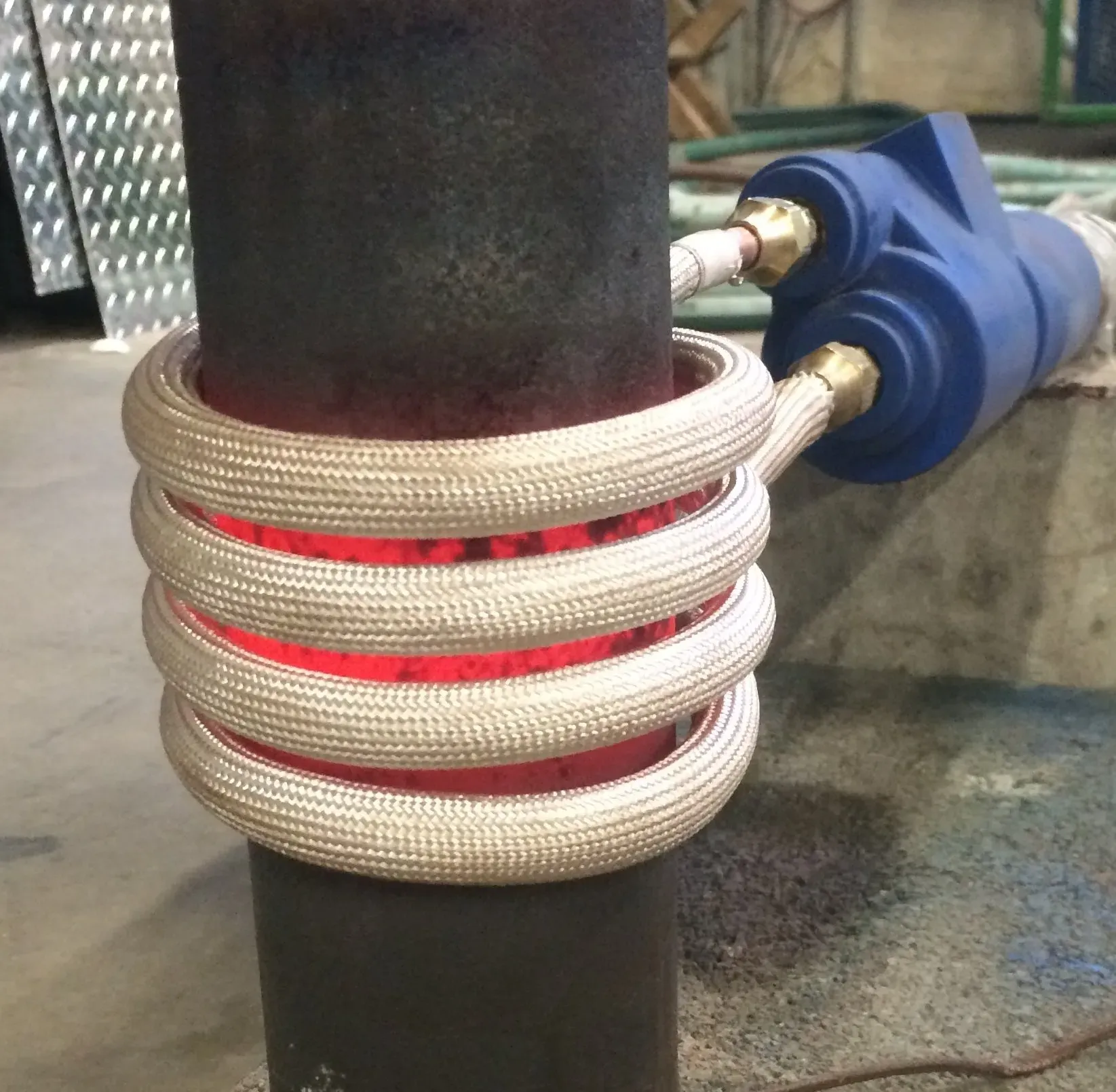
The induction coil is the heart of any system. It’s the part that transfers electromagnetic energy into the workpiece, turning electrical current into precise, targeted heat. A poorly designed coil can waste energy, cause uneven heating, and increase wear on critical components.
That’s why custom coil manufacturing is such a key part of what we do. Instead of one-size-fits-all coils, our engineers design coils that are optimized for the shape, size, and material of the part being heated.
Benefits of optimized induction coil design include:
- Higher efficiency – Energy is directed exactly where it’s needed, with minimal loss.
- Better product quality – Consistent, repeatable results with less distortion.
- Reduced operating costs – Lower power consumption means smaller energy bills.
- Longer machine life – Coils that fit the application put less strain on system components.
In industries like automotive, aerospace, forging, and power generation, even a few percentage points of efficiency improvement can translate into thousands of dollars in annual savings.
Beyond Coils: The Power of Smart Controls
While coils deliver the heat, control systems determine how effectively that heat is applied. At ThermESC, we use standardized control boards and PLCs—not proprietary black-box components.
This approach brings several advantages:
- Rapid builds – Because our systems are based on widely available boards and PLCs, lead times are shorter.
- Easy serviceability – Technicians can diagnose and repair issues quickly without waiting for rare or overseas parts.
- Scalability – Systems can be upgraded or expanded without full redesigns.
- Reliability – Standardized components reduce risk and improve uptime.
In other words, our control systems put manufacturers in control—not at the mercy of long waits for specialized parts.
Modular Inverter Blocks: The Backbone of Customization
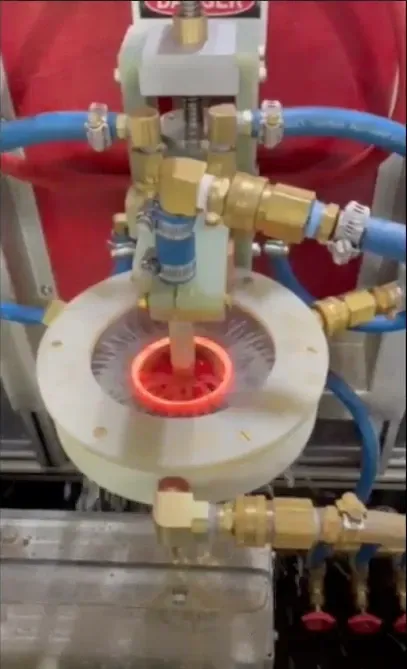
A lot of companies think “custom” means expensive or slow to deliver. We prove otherwise. Our modular inverter blocks are the backbone of our approach. They allow us to configure systems specifically for an application—whether it’s heat treating, forging, brazing, or boiler tube removal—without starting from scratch.
This means:
- Faster build times – We can assemble a system suited to your needs using proven modules.
- Simplified service – If a block fails, it can be swapped out quickly, reducing downtime.
- Lower cost of ownership – Modular design extends system life and reduces repair costs.
- Future-proofing – As your production needs grow, modules can be added or reconfigured.
By combining custom coil design with modular power electronics and standardized controls, we deliver tailored systems without the compromises.
How Small Engineering Details Drive Big Results
It’s easy to think of induction heating systems as monolithic machines, but performance depends on countless small details. Coil geometry, cooling efficiency, power electronics, and software logic all play critical roles.
Some real-world improvements we’ve delivered for customers include:
- 30% reduction in energy costs by optimizing coil placement and cooling.
- 50–70% faster cycles through upgraded control logic.
- Reduced downtime by shifting to modular inverter designs that allow same-day repairs.
- Extended coil life through precision winding and epoxy coating.
These aren’t small wins—they’re competitive advantages that keep production managers and executives ahead of the curve.
Industries That Benefit Most
Virtually every sector that uses heat can benefit from smarter induction systems, but here are a few where coil and control optimization delivers the biggest impact:
- Automotive – Precision hardening, brazing, and assembly line integration.
- Aerospace – Consistency for critical alloy treatments.
- Forging & Foundry – Faster throughput with reduced energy waste.
- Power Generation – Boiler tube removal, bolt heating, and high-demand service applications.
- Renewables – Processing advanced materials for sustainable energy.
Why ThermESC?
As part of the ThermESC Group, which includes ESC Induction, Thermo International, and sister companies around the globe, we combine global reach with local expertise. Our engineers, technicians, and service teams bring decades of experience in designing, building, and supporting induction heating systems.
We’re not just machine builders—we’re partners who optimize every detail, from coils to controls, to help you achieve measurable improvements in performance and cost efficiency.
Conclusion
The future of induction heating isn’t just about bigger machines or more power—it’s about smarter systems. By focusing on the small but critical details like induction coil design, modular inverter blocks, and standardized controls, ThermESC helps manufacturers unlock new levels of induction efficiency.
Every optimized coil, every smart control board, every modular design choice adds up to something bigger: lower costs, faster cycles, and a stronger competitive edge.
When you’re ready to optimize every piece of your induction system, ThermESC is ready to help.
Share with Your Network