Induction Heating Efficiency | Boost Your Industrial Process
Induction heating efficiency is paramount for industrialists looking to optimize their heating processes. As a prospective buyer, you might be wondering why induction heating is such a game-changer for industrial processes. Let us break it down for you.
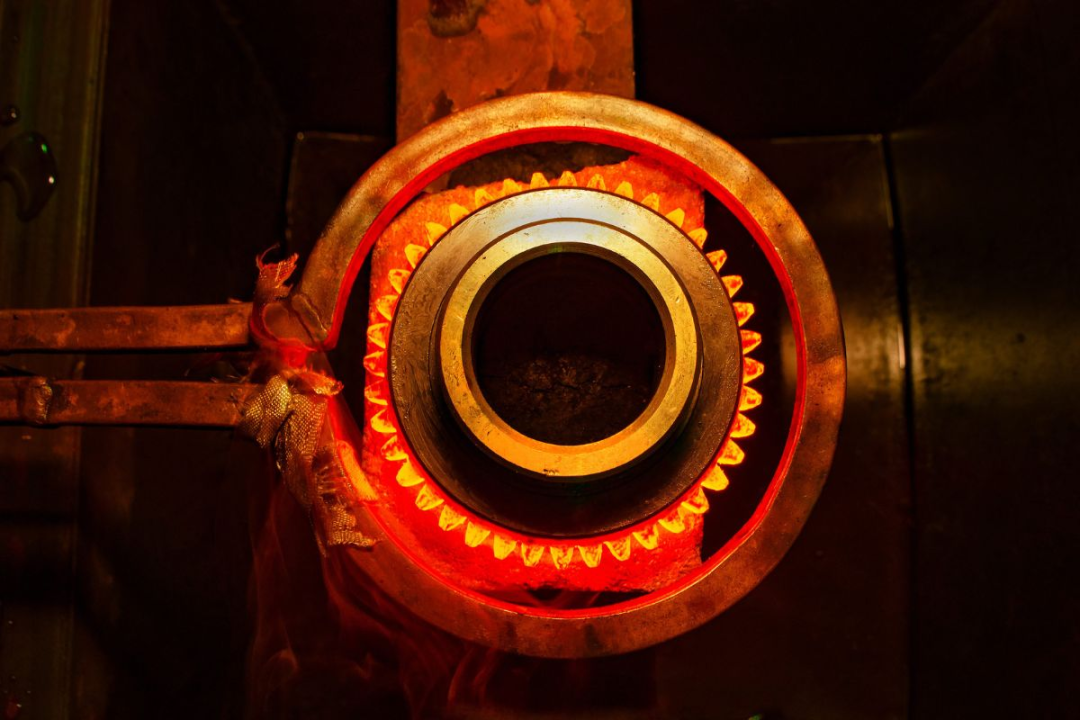
Why is induction heating more efficient?
Induction heating efficiency means that this method uses energy more effectively than traditional methods. By incorporating induction heaters into your operations, you can streamline your industrial processes more efficiently. Here's how it benefits you:
- Substantial Power Savings: Induction heaters convert up to 90% of the energy directly into heat, whereas gas and electric resistance heaters lose a lot of energy to the surroundings. This means lower electricity bills for the same amount of heat.
- Minimizes Waste: Because induction heating directly heats the material, there's less energy wasted. Traditional methods like gas and electric resistance often heat the air around the material, leading to energy loss.
- Enhanced Process Efficiency: With induction heating, you get faster heating times and precise temperature control. This leads to more efficient production processes, higher quality outputs, and less downtime.
This blog will explore
induction heating efficiency, compare it with other methods, and highlight the significant benefits it brings to industrial processes.
How Does Induction Heating Efficiency Stack Up Against Conventional Heating?
Induction heating efficiency stands out because it completely shifts energy to the part being heated. Let me explain this in simpler terms:
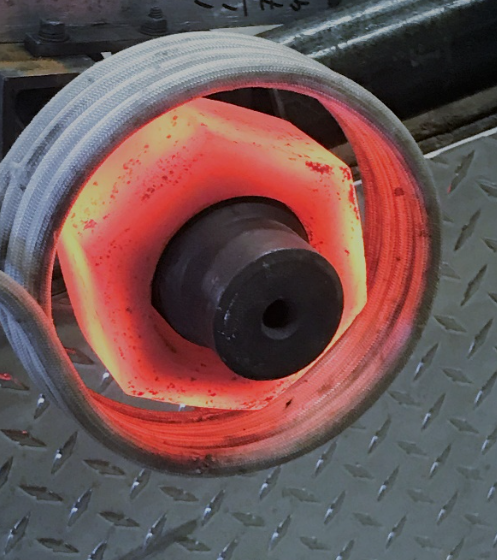
Suppose you need to heat a piece of metal. Induction heating uses a magnetic field to create heat directly inside the metal. This means almost all the energy goes into heating the metal itself.
Now, traditional methods like electric coils or gas burners? They first heat up the air or an element, which then heats the metal. Energy is leaking everywhere. It’s like trying to fill a bucket with a sieve.
So, induction heating minimizes wasted energy. It’s quicker, it’s cheaper in the long run, and frankly, it just makes sense.
Induction Heating’s Efficiency vs. Traditional Methods (Gas, Electric Resistance)
| Heating Method | Energy Efficiency | Speed of Heating | Environmental Impact |
|---|---|---|---|
| Induction Heating | Up to 90% | Very Fast | Low |
| Gas Heating | 60-70% | Moderate | High |
| Electric Resistance Heating | 70-80% | Slow | Moderate |
By choosing induction heating, you'll benefit from lower energy costs, faster heating, and a smaller environmental footprint, making it the best choice.
Induction Heating Power Consumption Analysis
Understanding power consumption is vital for industrialists.
Induction heating efficiency means lower power consumption for the same amount of heat generated. The following table illustrates this:
| Heating Method | Energy Efficiency | Power Required to Deliver 1 kW of Heat (kW) |
|---|---|---|
| Induction Heating | 90% | 1.11 |
| Gas Heating | 60% | 1.67 |
| Electric Resistance Heating | 70% | 1.43 |
From the table, it's evident that induction heating requires the least power to deliver 1 kW of usable heat. This efficiency of induction heaters translates to significant energy savings. For instance, to deliver the same 1 kW of heat, electric radiant heaters require 1.82 kW, and gas heaters need 2.00 kW. This means induction heating can save up to 39% and 44% in energy costs compared to electric and gas heating, respectively.
Case Study on Induction Heating Efficiency in Industrial Applications
The automotive manufacturing plant replaced its traditional gas heaters with induction heaters in its metal treatment and parts manufacturing processes. The transition was facilitated by a phased approach to minimize disruptions to production. For more details, you can refer to the full article on Manufacturing Efficiency Magazine.
Results
- Energy Efficiency:
- Induction heating achieved an energy transfer efficiency of 84%, compared to 40% for gas burners.
- This resulted in a 30% reduction in overall energy consumption for the plant.
- Productivity Improvements:
- The precision and rapid heating capabilities of induction heaters led to a 20% increase in production speed.
- The reduced heating times also allowed for more flexible and efficient scheduling of manufacturing processes.
- Operational Cost Reductions:
- Lower energy consumption translated to significant cost savings on utility bills.
- Maintenance costs decreased due to the durability and lower wear-and-tear of induction heating equipment compared to gas heaters.
Statistical Insights of Induction Heating Efficiency
A study by the Lawrence Berkeley National Laboratory found that induction heating transfers 84% of the energy to the load, compared to 71% for electric coils and just 40% for gas burners. This induction heating’s efficiency not only saves energy but also reduces the operational costs associated with maintaining and running the heating equipment
| Heating Method | Energy Efficiency | Benefits |
|---|---|---|
| Induction Heating | 84% | - Saves energy- Reduces operational costs for maintenance and running |
| Gas Heating | 71% | - Moderate energy efficiency |
| Electric Resistance Heating | 40% | - Lowest energy efficiency |
Benefits of Induction Heating for Industrial Processes
- Reduced Energy Costs: With higher efficiency, induction heating machines consume less power for the same output, directly lowering energy bills.
- Precise Heating: Induction heaters offer precise control over the heating process, ensuring uniformity and consistency in production.
- Faster Heating: The rapid heating capability of induction heating reduces process times, increasing throughput.
Safety and Cleanliness: Inductive heaters do not rely on combustion, eliminating risks associated with gas leaks and reducing environmental impact.
Conclusion
Investing in induction heating technology is a strategic move for any industrialist aiming to enhance efficiency, reduce operational costs, and improve the overall sustainability of their heating processes. The superior induction heating efficiency, coupled with precise control and faster heating capabilities, makes it the optimal choice for modern industrial applications.
In summary, adopting induction heating is not just about improving your bottom line but also about embracing a more efficient, safer, and environmentally friendly heating solution. Make the smart choice today and upgrade to induction heating for unparalleled efficiency and performance in your industrial processes.
When it comes to industrial heating, let's break down why induction heating is the better choice for you.
Energy Efficiency: Induction heating directly heats the material with up to 90% efficiency. Compare this to gas and electric resistance methods, which lose a lot of energy to the environment and are only about 50-70% efficient. This means you'll save on energy costs because less power is wasted.
Speed of Heating: With induction heating, your materials reach target temperatures in seconds. Traditional methods take much longer because they heat indirectly. So, you'll get faster production cycles and higher throughput.
Environmental Impact: Induction heating is much cleaner and safer. It generates minimal waste heat and emissions. Gas heating involves combustion, which produces pollutants, and even though electric resistance heating is cleaner than gas, it's still less efficient and consumes more power overall.
Share with Your Network