Behind the Coil: How Induction Coil Design Impacts Performance
In the world of induction heating, it’s easy to focus on the power source or control interface—but the true workhorse of the system is the induction coil. At ThermESC Intl., we say it often: “The coil makes the system.” That’s because a well-designed coil is the heart of a successful heat treatment process.
Whether you're hardening a crankshaft, brazing copper tubes, or heat-treating a turbine blade, the coil geometry, material, and construction quality determine how efficiently and precisely heat is delivered. In many cases, upgrading or customizing the coil alone can result in a dramatic improvement in performance.
Yet many manufacturers overlook this crucial component-leading to suboptimal results, wasted energy, and reduced component life. In this article, we’ll explain why coil design matters and how ThermESC ensures each coil is engineered for performance, durability, and energy efficiency.
The Role of the Induction Coil
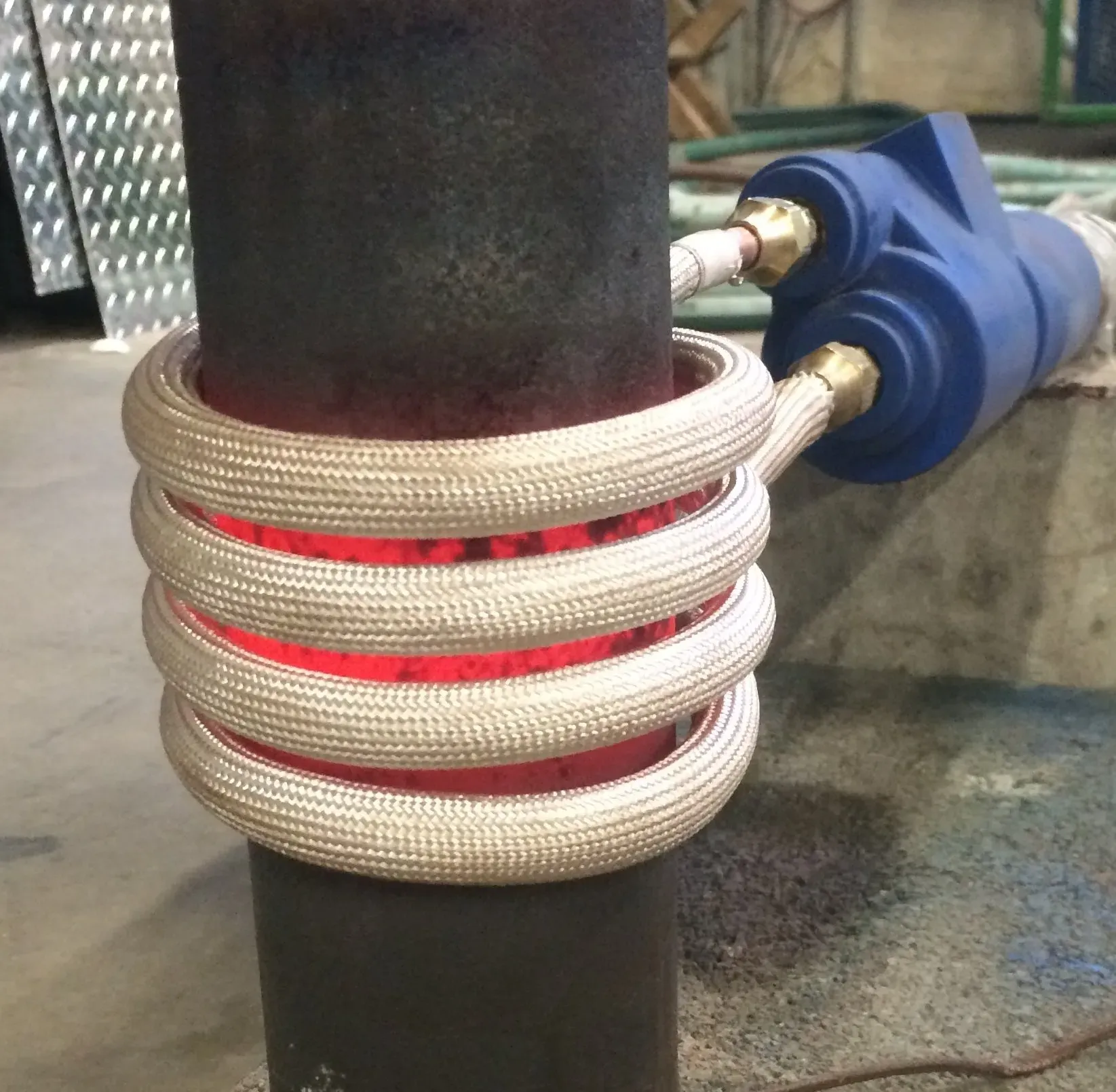
At its core, an induction coil is simply a conductor—typically copper—wound into a specific shape and energized with alternating current. This creates a fluctuating magnetic field, which in turn induces eddy currents in the conductive workpiece.
These eddy currents produce heat internally within the part, resulting in fast, precise, and contactless heating. But here’s the catch: the efficiency of this process depends heavily on how the coil is designed.
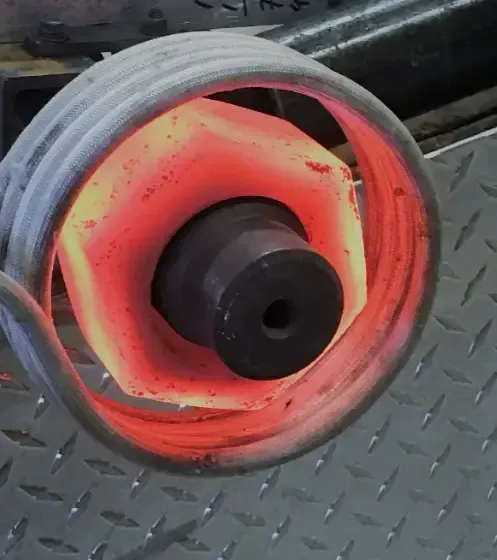
A coil’s shape, size, and distance from the workpiece determine how much energy is transferred, how evenly the part heats, and whether the system avoids issues like overheating, cold spots, or process delays.
Key Coil Design Factors
1. Shape and Geometry
The most visible aspect of a coil is its shape. Common configurations include:
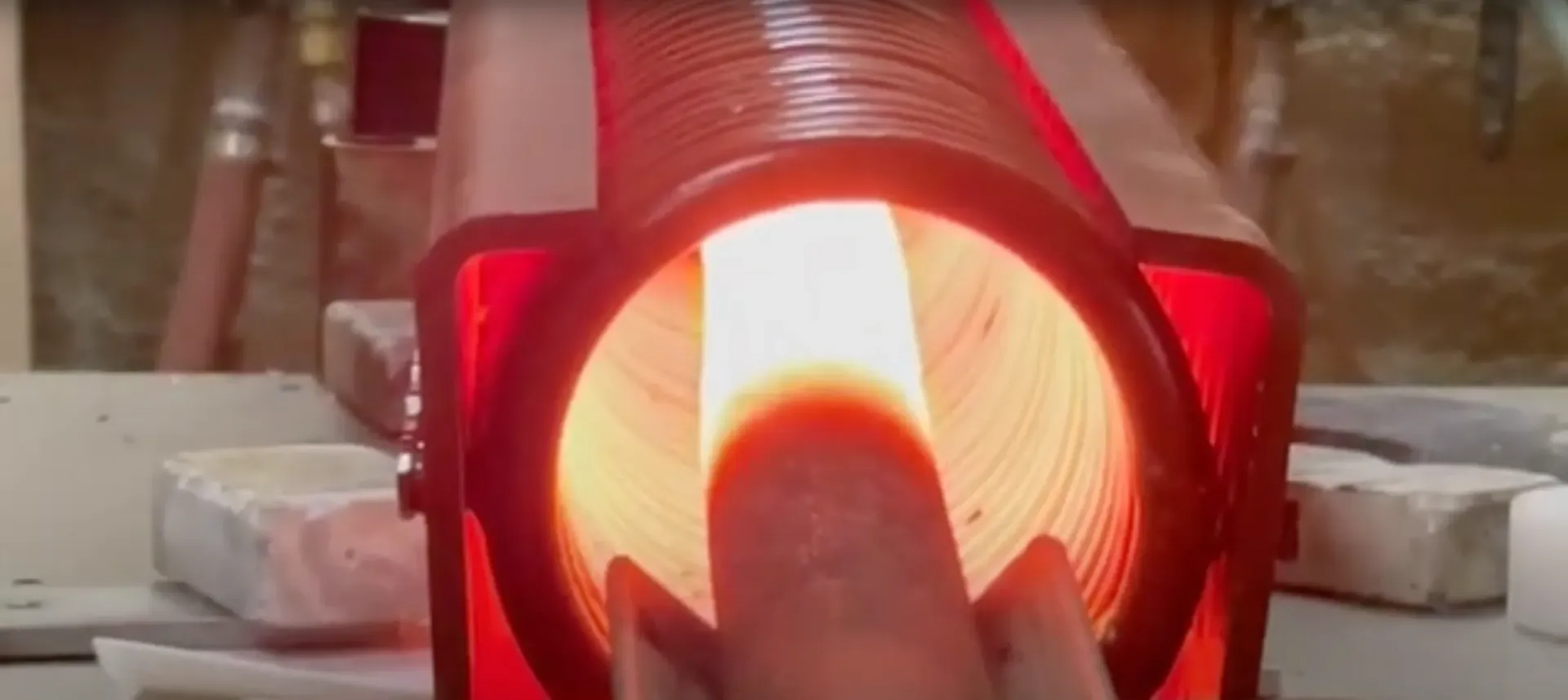
• Helical Coils: Spiral-shaped, ideal for cylindrical parts like rods, shafts, and tubes.
• Pancake Coils: Flat coils best for surface heating or for parts with flat geometries.
• Channel Coils: U-shaped or rectangular coils used for strip heating or long parts.
• Hairpin and Internal Coils: Often used in confined spaces or inside hollow parts.
Each shape determines how the magnetic field interacts with the part. The wrong coil geometry can result in uneven heating or wasted energy.
2. Number of Turns and Spacing
The number of coil turns and the spacing between them affect both the depth of heat penetration and the coupling efficiency—the ability of the coil to transfer energy to the workpiece.
• Too few turns may lead to insufficient field strength.
• Too tight a spacing may cause coil overheating or arcing.
The design must strike a balance between field intensity, uniformity, and heat depth
.
3. Conductor Material and Cooling
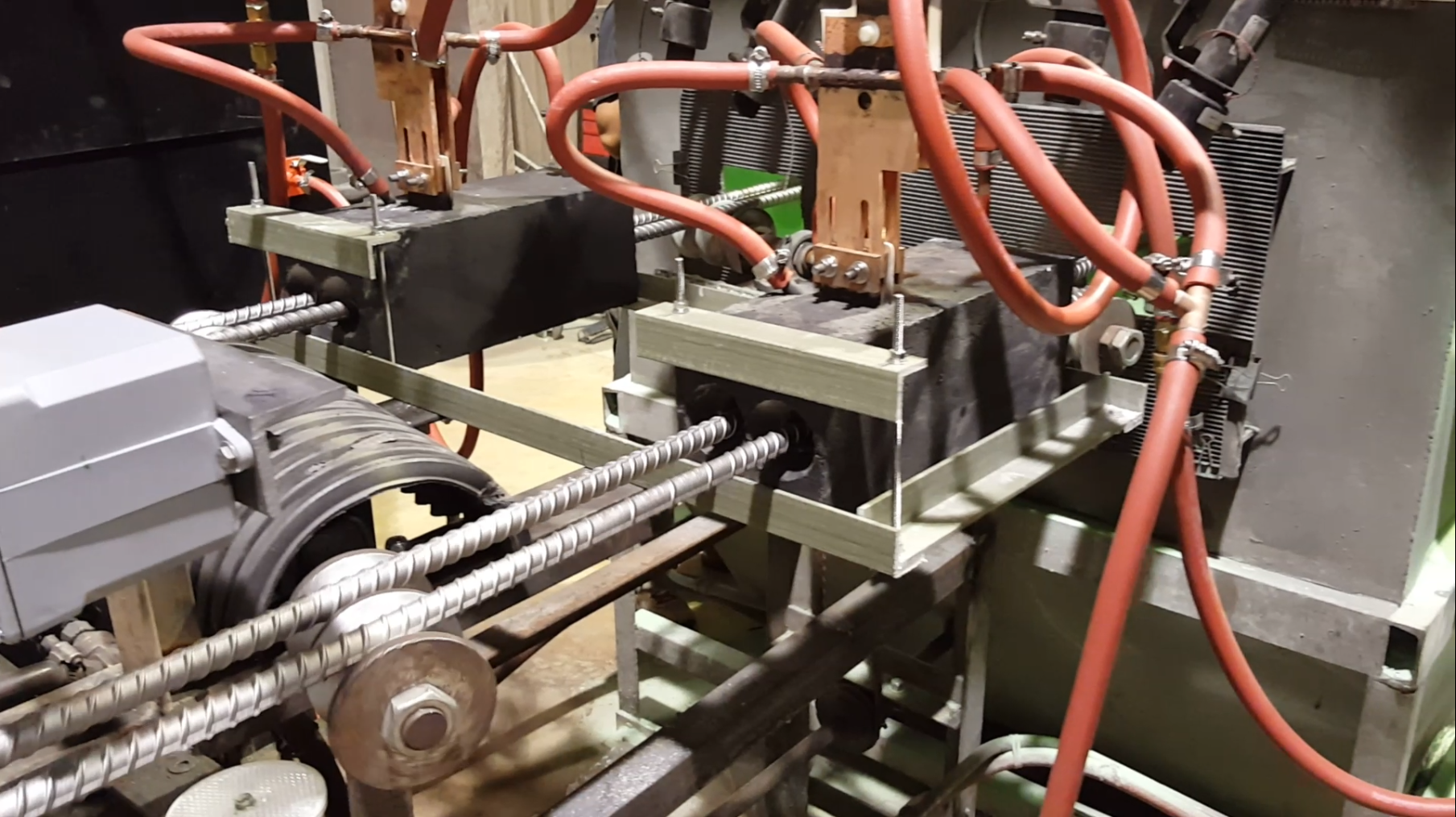
Most coils are made of high-purity copper for its excellent electrical conductivity. However, these coils can generate substantial heat themselves and require water-cooling jackets or tubes to maintain optimal temperature and performance.
Proper cooling:
• Prevents coil degradation
• Ensures safety and reliability
• Extends operational lifespan
4. Proximity to Workpiece
The closer the coil is to the part, the stronger the energy transfer—but if it's too close, there's a risk of arcing or mechanical interference.
Optimal spacing must consider:
• Material type and thickness
• Heating duration
• Operating frequency
Common Mistakes in Coil Design
Even small errors in coil design can have big consequences. Some frequent mistakes include:
• Overheating due to insufficient cooling or improper spacing
• Inefficient coupling, resulting in slow heating and energy waste
• Inconsistent heating, which leads to product defects
• Premature coil wear, especially in high-frequency applications
These issues not only reduce efficiency but also increase downtime, waste energy, and compromise part quality.
The ThermESC Coil Advantage
At ThermESC Intl., we don’t treat coils as off-the-shelf components. Every coil is application-specific and engineered using a detailed process:
- CAD & Electromagnetic Simulation
Before any coil is built, we simulate the magnetic field and heat distribution using finite element analysis (FEA). This allows us to predict how the coil will perform and make adjustments before fabrication.
- Real-World Testing
All coils undergo real-world performance testing using the exact materials and parts they’re designed to heat. Adjustments are made based on actual temperature profiles and efficiency metrics.
Application-Specific Examples
Our coil designs are used in a variety of demanding industries, each with unique challenges:
Aerospace: Coils for turbine blade tip hardening must deliver high accuracy with zero margin for error.
Automotive: Crankshaft hardening requires uniformity and high throughput.
Oil & Gas: Inline pipe heating coils must withstand corrosive environments and high frequencies.
Railway & Infrastructure: Coils used for weld pre-heating need to be robust and mobile.
In each of these cases, a generic coil would fall short. Our tailored designs ensure consistent heating, repeatability, and safety.
Performance Benefits of Optimized Coil Design
An optimized coil doesn’t just transfer energy—it improves overall system performance. Clients who upgrade to custom-engineered coils experience:
Lower energy consumption due to improved coupling
Faster cycle times and increased throughput
Enhanced temperature control for critical processes
Less equipment wear and longer component lifespan
Reduced scrap and part rejection
In short, better coils mean better bottom lines.
Conclusion
When it comes to induction heating, coil design is not an afterthought—it’s the foundation of success. A poorly designed coil can waste energy, damage parts, and increase operating costs. But a well-designed coil delivers consistent heat, lower costs, and greater reliability.
At ThermESC Intl., we bring decades of experience and cutting-edge engineering tools to every coil we build. From concept to installation, we ensure your system delivers peak performance every time.
Don’t settle for standard. Optimize your coils. Maximize your results.
Reach out to our engineering team today and discover how the right coil can revolutionize your heating process.
Share with Your Network