Why Energy Efficiency is the Future of Heat Treatment
As global industries face mounting pressure to reduce carbon footprints and lower operational costs, energy efficiency has become a central goal. Governments, shareholders, and consumers alike are demanding greener, more sustainable manufacturing practices. Within this broader transformation, heat treatment—one of the most energy-intensive industrial processes—is under intense scrutiny.
Whether it’s used in automotive, aerospace, railways, or heavy equipment manufacturing, heat treatment plays a crucial role in shaping metals to desired hardness, flexibility, and durability. Yet, traditional systems like gas furnaces, resistance heaters, and oil-based systems are increasingly outdated due to their high energy demands and environmental impact.
In response, manufacturers are turning to induction heating—a clean, efficient, and precise technology that's redefining the way heat treatment is done.
The Energy Dilemma in Traditional Heat Treatment
Traditional heat treatment methods often involve combustion-based systems that heat entire chambers to reach the desired material temperature. These systems tend to suffer from:
- Long warm-up and cool-down times
- Massive heat losses to the surroundings
- High maintenance requirements due to soot, corrosion, or moving parts
Gas and oil-fired furnaces, for example, must heat both the part and the surrounding air, wasting large amounts of energy. Even resistance heaters, while electrically powered, can be inefficient due to high surface losses and lack of control over temperature gradients.
As energy prices soar and emissions regulations tighten, this kind of waste is increasingly unsustainable—not just environmentally, but financially.
What Makes Induction Heating More Efficient?
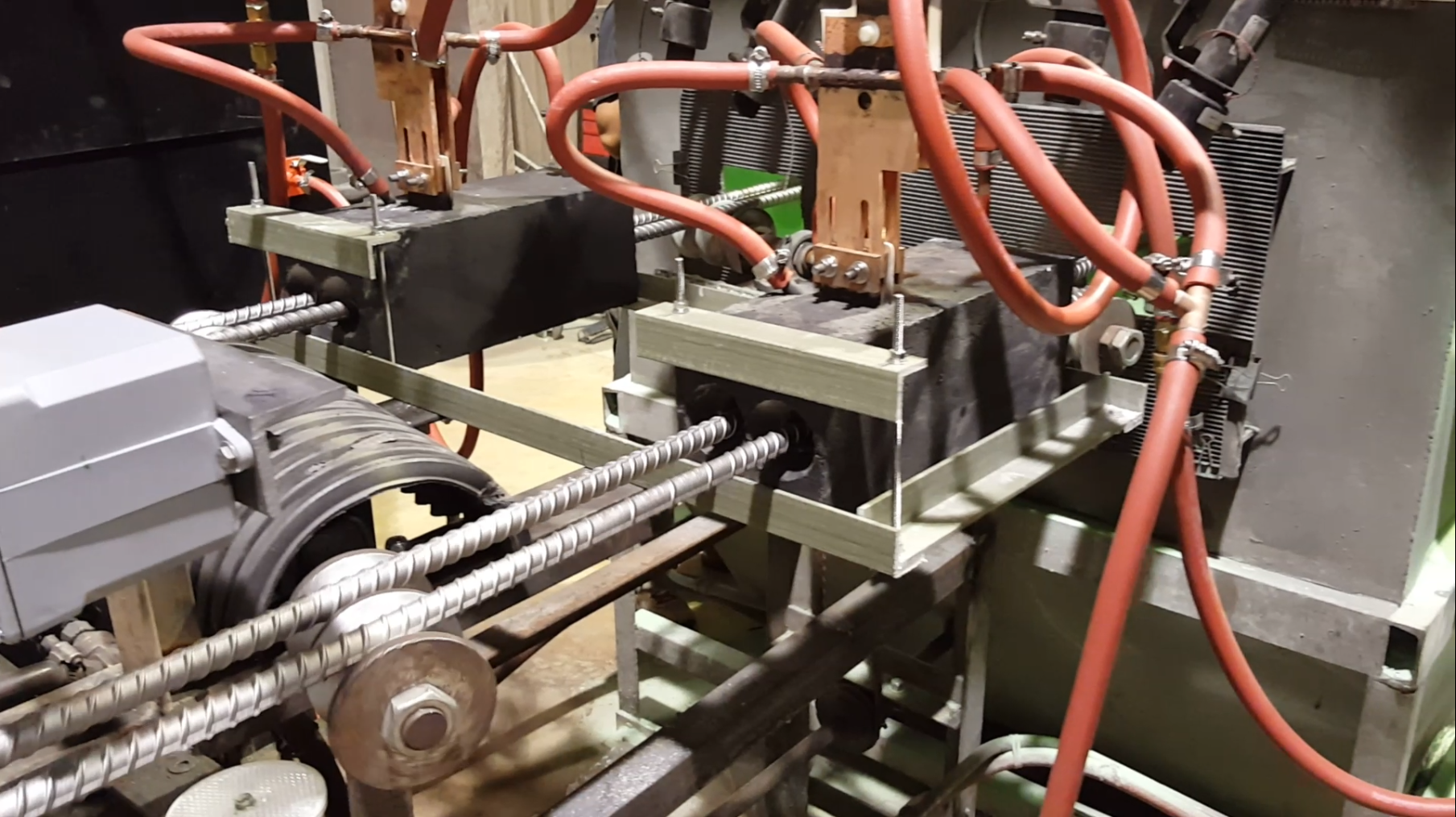
Induction heating works by generating an electromagnetic field around a conductive workpiece. This field induces eddy currents within the metal, causing it to heat up internally due to electrical resistance. The process is non-contact and highly localized.
Key Energy-Efficient Advantages:
- Localized Heating: Induction targets only the component needing treatment, not the entire furnace chamber.
- Rapid Heating Cycles: Dramatically reduces cycle time, often by 50% or more.
- Minimal Heat Loss: Since only the workpiece is heated, surrounding energy waste is virtually eliminated.
- Programmable and Precise: Real-time control of temperature ensures optimal energy use.
- Cool Working Environment: Unlike gas furnaces, induction systems don’t emit radiant heat into the workspace.
In many scenarios, the efficiency of induction heating exceeds 90%, compared to only 30–60% in conventional systems.
Induction Heating and Smart Manufacturing
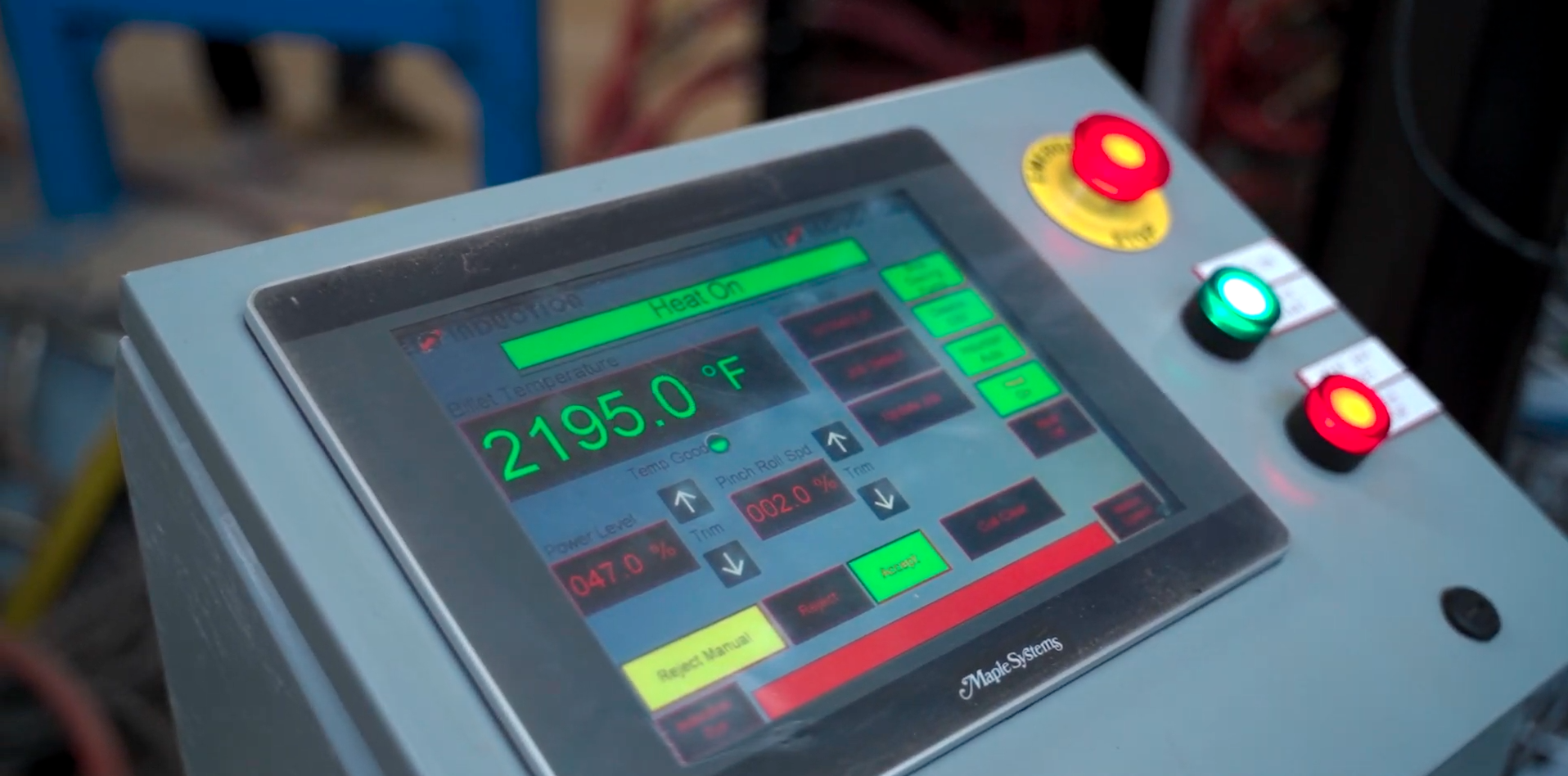
Modern production facilities are shifting toward Industry 4.0, embracing automation, sensors, and real-time data analytics. Induction heating systems are inherently automation-ready, meaning they integrate easily with PLCs, temperature controllers, and smart sensors.
Benefits include:
- Automated temperature control
- Data logging for traceability
- Remote diagnostics and maintenance alerts
This makes induction not only energy-efficient but also future-proof and compatible with digital transformation goals.
Compliance with Energy and Sustainability Standards
Governments around the world are enacting stricter regulations related to industrial energy use and environmental impact. Standards like ISO 50001 encourage companies to adopt structured energy management systems. In parallel, ESG (Environmental, Social, Governance) ratings now influence investment and partnership decisions.
Induction Heating Supports:
- Lower energy intensity (energy used per unit output)
- Real-time carbon monitoring and reporting
- Participation in green funding programs
- Achievement of corporate sustainability goals
By replacing inefficient heating systems, companies not only ensure compliance but also demonstrate leadership in corporate responsibility.
Economic Benefits: ROI and Long-Term Savings
While it’s true that the initial cost of an induction heating system may be higher than traditional alternatives, the long-term financial benefits far outweigh this upfront investment.
Here's Why:
- Lower utility bills: Energy consumption can drop by up to 70% depending on the process.
- Minimal maintenance: No burners, no soot buildup, fewer mechanical failures.
- Reduced downtime: With fewer moving parts and precise control, induction systems are highly reliable.
- Productivity boost: Faster heat-up means more parts processed per shift.
In most cases, the Return on Investment (ROI) is achieved within 12 to 24 months, with compounding savings thereafter.
Technological Advancements by ThermESC
At ThermESC Intl., we design induction heating systems that meet the exact needs of modern industries. Our offerings include:
- Modular power supplies for scalability
- Custom coil design for unique applications
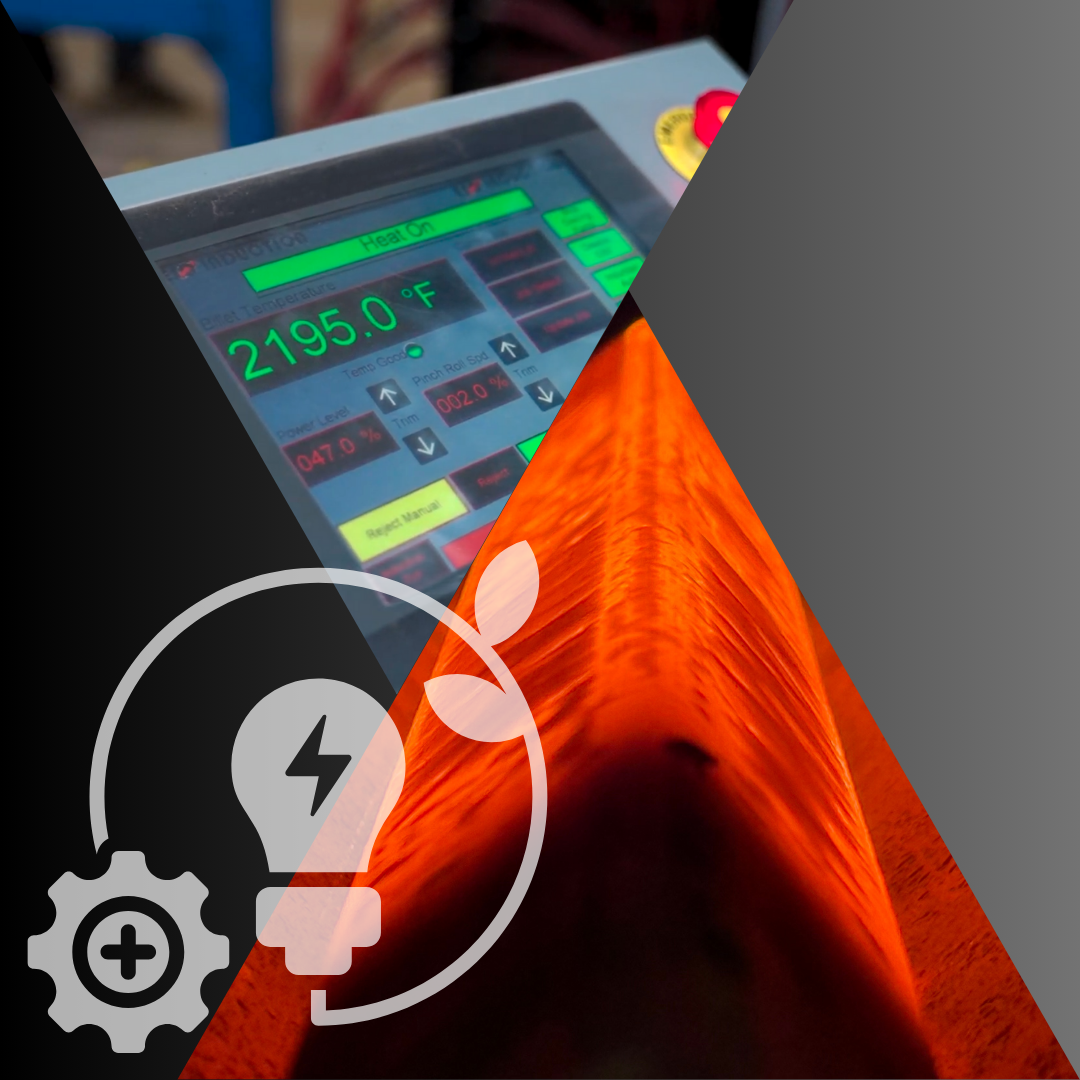
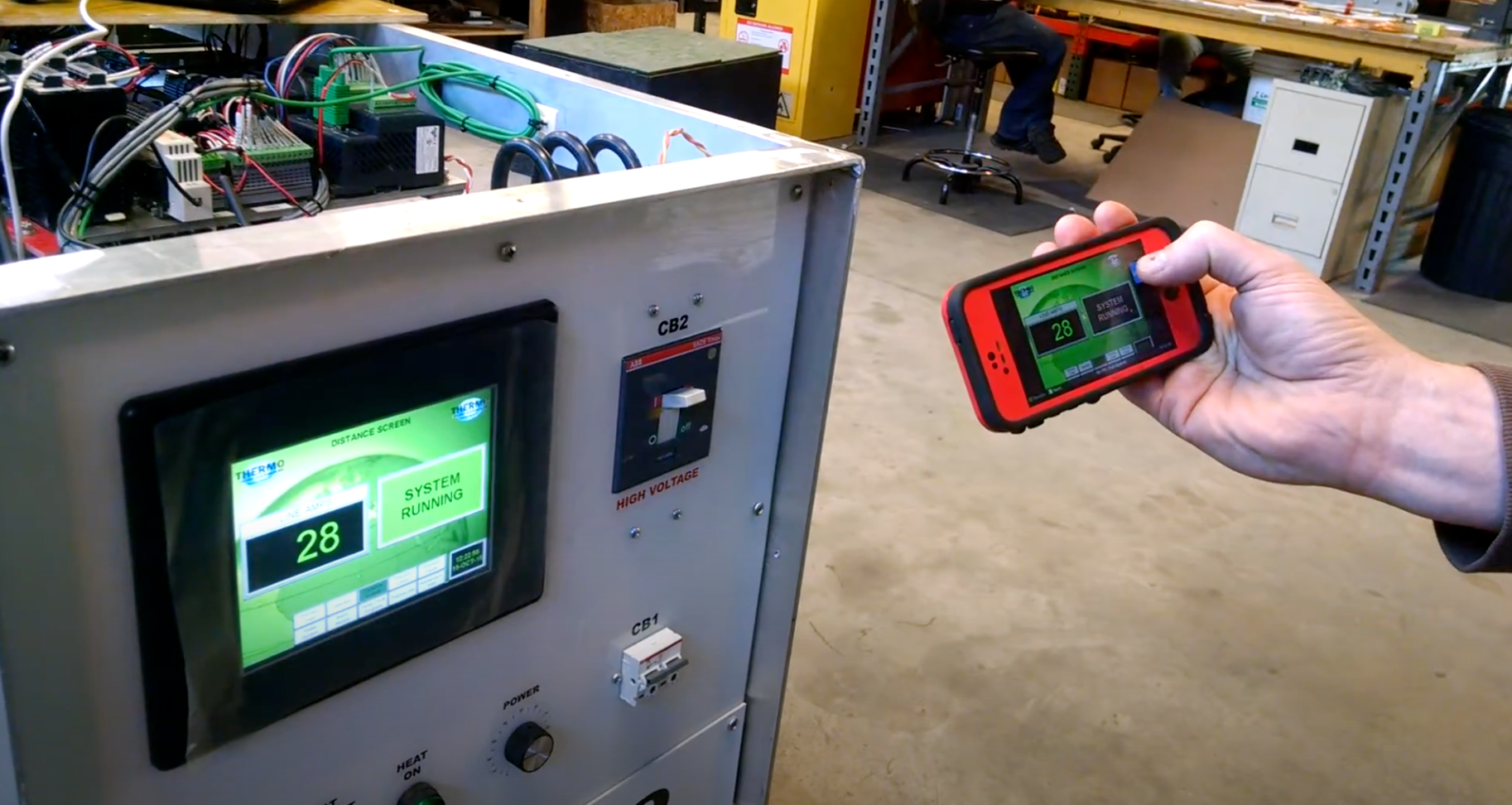
- Touchscreen interfaces and programmable recipes
- Real-time energy monitoring and diagnostics
- Portable units for on-site or field applications
Whether your business is looking to retrofit an existing line or install a new automated cell, we have a solution that optimizes both energy use and output quality.
Why Make the Switch Now?
There’s never been a better time to invest in energy efficiency. From tax incentives and carbon credits to competitive pressures and rising utility rates, manufacturers that modernize their heating systems stand to gain on multiple fronts.
Key motivators:
- Energy prices are volatile and rising
- Customers demand sustainable practices
- ESG compliance affects investment and reputation
The transition to energy-efficient heat treatment is not just a technical upgrade—it’s a strategic business decision.
Conclusion
Energy efficiency is not a future trend—it’s the present requirement for sustainable, profitable manufacturing. By adopting induction heating, companies can drastically reduce their energy usage, meet regulatory demands, and improve their bottom line.
At ThermESC Intl., we are committed to driving this transformation. With cutting-edge technology, deep application expertise, and a proven track record, we help manufacturers stay competitive in a rapidly changing world.
Ready to modernize your heat treatment process?
Let’s power a greener, smarter future—together.
Share with Your Network