Heat Treating With Confidence: Why Induction Delivers Better Metallurgical Control
Heat treating is one of the most important processes in modern manufacturing. It influences hardness, strength, wear resistance, and the long-term performance of a finished part. When the heat treatment process is inconsistent, the quality of the final product becomes unpredictable. That is why more manufacturers are turning to induction heating for better metallurgical control.
At ThermESC, we work with customers who need more than just heat. They need reliable, repeatable thermal processing that supports quality across every batch. With the support of ESC Induction and Thermo International, we help design induction solutions that provide the control needed for demanding heat treat applications.
Why Metallurgical Control Matters
Heat treating is not simply about making a part hot. It is about controlling temperature, time, and heat depth in a way that creates the right material properties. Small changes in thermal input can lead to large differences in hardness, distortion, grain structure, or case depth.
Manufacturers that rely on tight tolerances and repeatable material performance need a heat source that can be controlled carefully. That is where induction offers a strong advantage.
The Benefits of Induction in Heat Treating
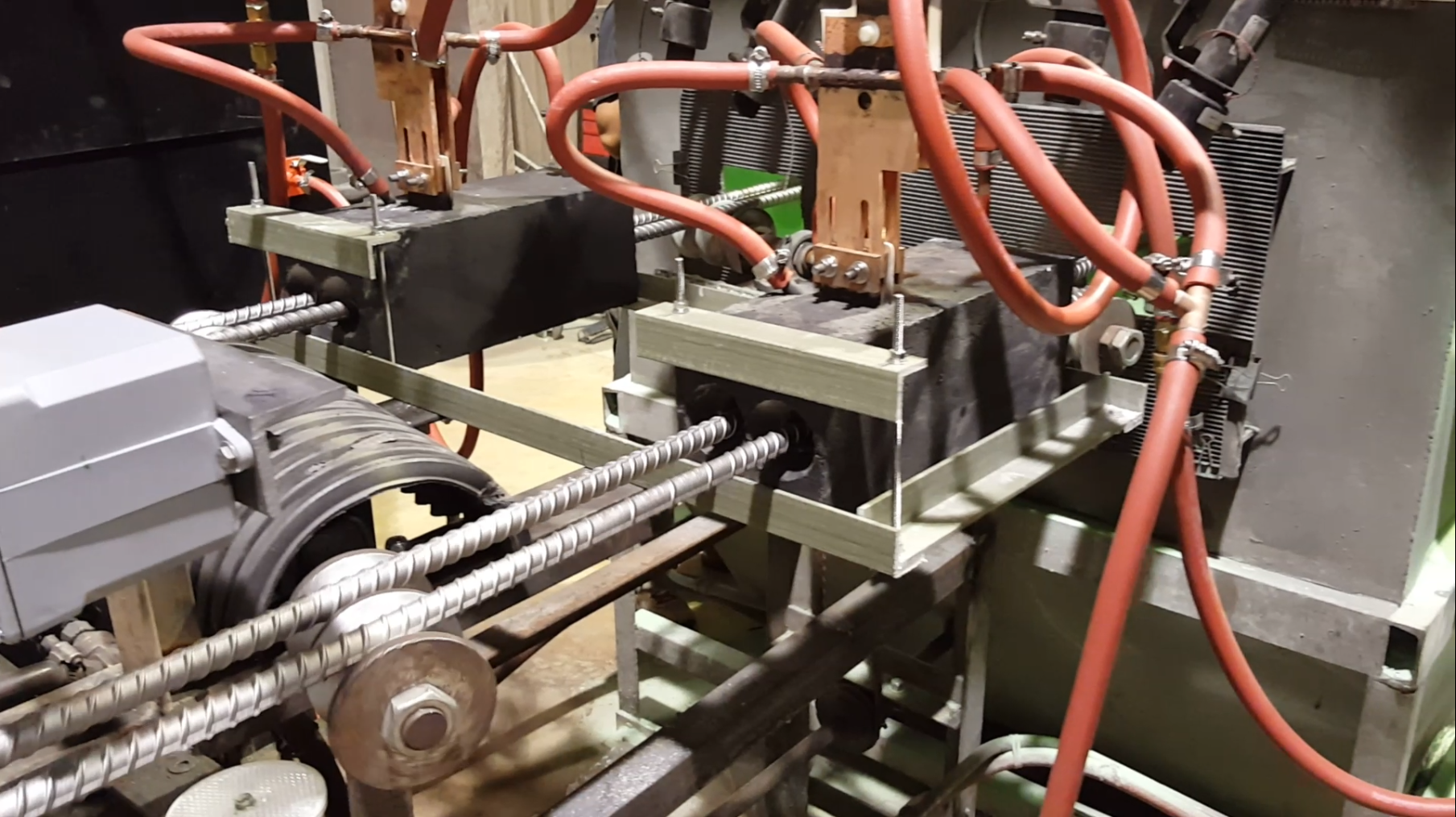
Induction heating allows energy to be applied directly to the part, with precise control over where the heat goes and how quickly it is delivered. This makes it especially effective for applications where localized or surface-focused heating is required.
Induction supports:
- Fast heat-up times
- Repeatable thermal cycles
- Controlled heat depth
- Reduced distortion
- Better consistency across production runs
For manufacturers who need dependable metallurgical results, induction heating creates a more controlled path to the desired outcome.
Surface Heating vs Through Heating
One of the reasons induction is so effective in heat treat applications is that it can be configured to support either shallow surface heating or deeper thermal penetration, depending on the frequency, power level, coil design, and part geometry.
This flexibility makes induction well suited for a variety of heat treat needs, including:
- Surface hardening
- Localized hardening
- Selective heating before forming or joining
- Controlled heating of specific wear zones
ESC Induction supports these applications through custom machine and coil design, while ThermESC helps customers integrate the process into broader production and automation environments.
Reducing Distortion and Rework
Traditional heating methods often expose more of the part than necessary to elevated temperatures. That can increase distortion and require more correction after treatment. Induction reduces this risk by limiting heat to the required area and shortening the time the part is exposed to thermal stress.
This can help improve dimensional stability and reduce the need for rework, grinding, or additional finishing. For manufacturers, that means more usable parts and better process efficiency.
Improving Batch-to-Batch Consistency
In any production environment, consistency matters as much as performance. A heat treat process that works well on one batch but drifts on the next can create serious quality concerns. Induction systems can be tuned to deliver repeatable heating cycles, helping plants maintain process stability over time.
ThermESC systems are designed with controls and monitoring that support reliable process repetition. That makes it easier to meet internal quality goals and respond to customer requirements with confidence.
Energy and Workflow Advantages
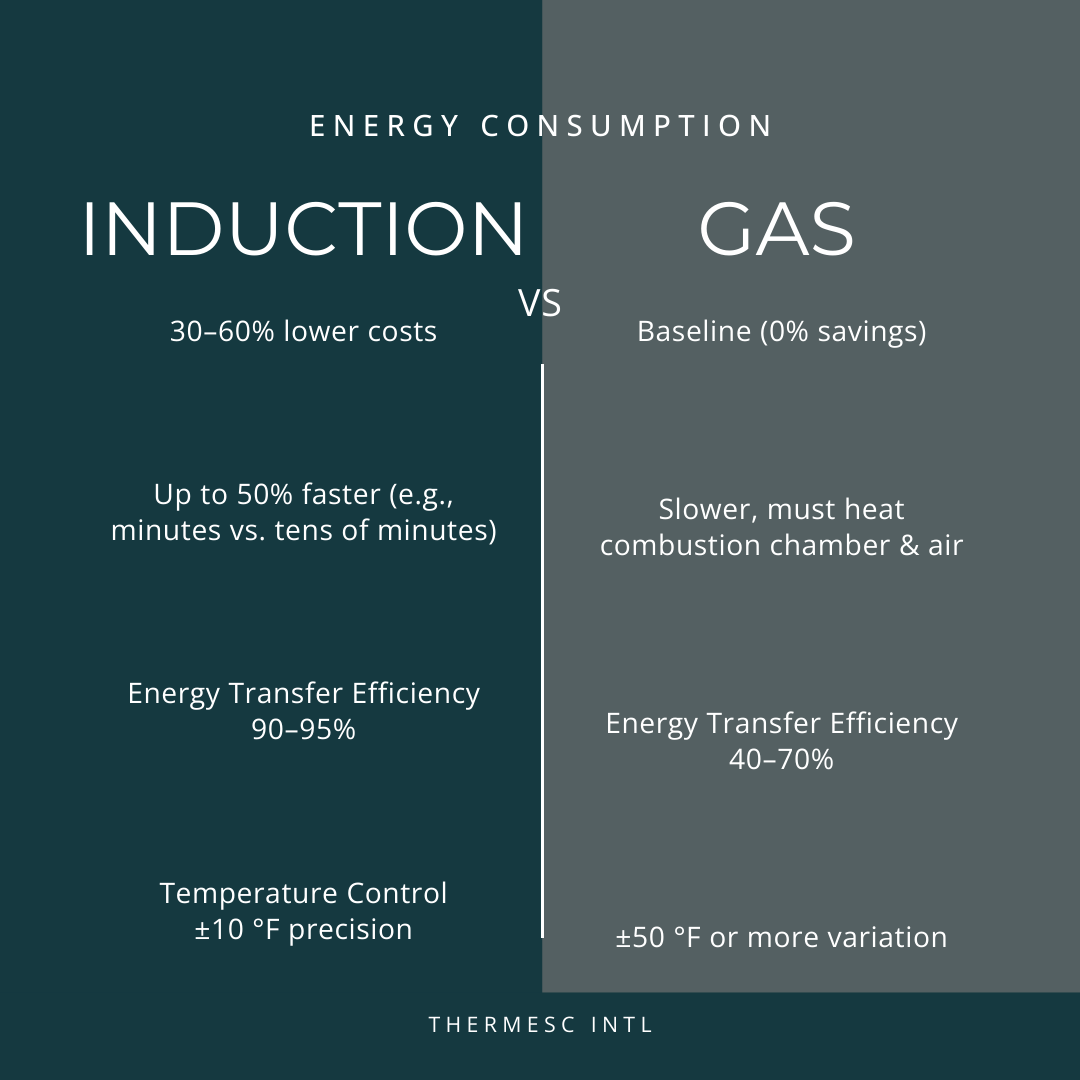
Induction also offers operational advantages beyond metallurgical control. Faster cycle times reduce waiting, direct heating improves energy efficiency, and compact system layouts make it easier to integrate heating into cell-based production.
These benefits can support:
- Higher throughput
- Lower energy consumption
- Cleaner workspaces
- Simplified automation integration
Induction heat treating is not only about better part quality. It is also about building a more efficient and predictable process.
Choosing the Right Heat Treat Partner
Successful induction heat treating depends on more than a machine. It requires the right combination of power delivery, coil design, application knowledge, and service support. ThermESC, ESC Induction, and Thermo International bring that combined expertise to customers across a wide range of industrial applications.
If you are exploring better ways to manage heat treat quality, reduce distortion, or improve process consistency, our team can help evaluate the right induction approach for your operation.
Phone:
970-483-5232
Website:
www.thermesc.com
Share with Your Network