When to Repair vs Replace Your Induction Coil: A Practical Guide for Manufacturers
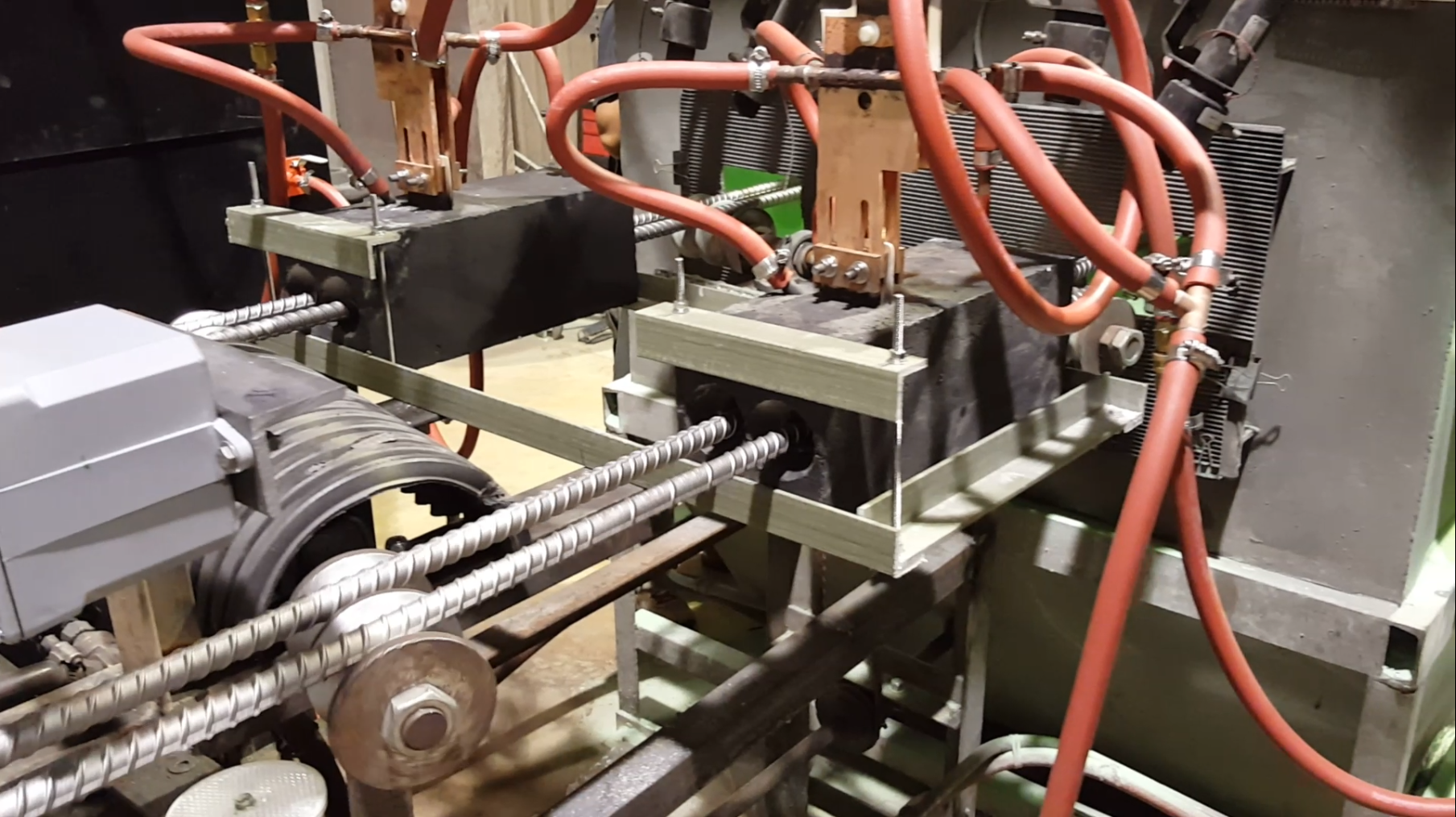
Induction coils are among the hardest-working components in any heating system. They handle high current, repeated thermal cycling, coolant flow, and the physical demands of daily production. Over time, wear is inevitable. The question many manufacturers face is not whether a coil will need attention, but whether that attention should take the form of repair or replacement.
At ThermESC, we help customers make that decision with practical guidance based on performance, cost, downtime risk, and long-term process goals. Together with ESC Induction and Thermo International, we support both coil repair and new custom coil builds to help plants choose the option that makes the most sense for their operation.
Why Coil Condition Matters
The condition of the coil directly affects heating speed, temperature uniformity, and process reliability. A worn or damaged coil can lead to inconsistent heating, increased energy use, and unexpected downtime. In coating lines, that might show up as poor adhesion or uneven finish. In forming or heat treat applications, it may appear as temperature drift or part-to-part variation.
The longer a damaged coil stays in production, the greater the risk that it affects both product quality and equipment reliability.
Common Signs a Coil Needs Attention
Manufacturers should watch for early warning signs that a coil is no longer performing as intended. These may include:
- Visible cracks or braze separation
- Discoloration or overheating marks
- Cooling restrictions or leaks
- Longer heating cycles
- Uneven temperature across the part
- Repeated tuning or adjustment by operators
If one or more of these signs appears, the coil should be evaluated before the issue grows into a larger production problem.
When Repair Makes Sense
Repair is often the right option when the damage is limited and the base coil design is still appropriate for the application. Minor cracks, worn connections, cooling issues, or surface damage can sometimes be corrected quickly and cost-effectively.
Repair may be the better choice when:
- The coil geometry is still correct for the process
- The damage is isolated rather than widespread
- Downtime needs to be minimized
- The repair can restore full performance safely
ESC Induction and Thermo International both support coil repair work, helping customers restore usable coils without committing to a full replacement when it is not necessary.
When Replacement Is the Better Option
In some cases, replacement is the smarter long-term decision. If the coil has repeated failures, severe wear, poor cooling design, or if the application itself has changed, repairing the old coil may only delay a larger problem.
Replacement may be the better choice when:
- The coil has multiple structural issues
- The design no longer matches the part or process
- Repairs have become frequent
- Heating performance is no longer acceptable
- A new coil would improve efficiency or cycle time
Replacing the coil can be an opportunity not only to restore performance, but also to improve it.
Balancing Cost vs Downtime
It is natural to compare the cost of repair against the cost of replacement. But the real decision should include downtime, quality risk, maintenance burden, and long-term reliability. A lower-cost repair may not be the best value if it results in another outage a few weeks later.
ThermESC helps customers look at the full picture, including:
- Expected remaining coil life
- Impact on production schedules
- Availability of spare coils
- Lead time for a new build
- Potential performance gains from a redesigned coil
This practical review helps manufacturers make a decision based on total operational value, not just immediate expense.
The Importance of Preventative Inspection
One of the best ways to avoid emergency decisions is to inspect coils regularly. Small issues are easier and less expensive to address when caught early. Routine checks can identify wear before it leads to major failure.
Useful inspection points include:
- Cooling flow and pressure
- Connection tightness
- Surface condition
- Thermal consistency during operation
- Visible signs of fatigue or corrosion
ThermESC, ESC Induction, and Thermo International can support these evaluations and recommend whether repair or replacement is the right next step.
A Practical Partner for Coil Decisions
Coil repair and replacement decisions are not always simple, but they do not have to be guesswork. With the right support, manufacturers can extend coil life when possible, replace coils when necessary, and reduce the risk of unplanned downtime.
If your induction system is showing signs of coil wear or if you need help deciding on the right path forward, ThermESC and our sister companies are ready to help assess the condition and recommend the best solution for your process.
Phone:
970-483-5232
Website:
www.thermesc.com
Share with Your Network