Why Preventative Maintenance Is the Difference Between Uptime and Downtime
In manufacturing, downtime rarely arrives at a convenient time. It tends to show up in the middle of busy schedules, during critical deadlines, or when production teams are already under pressure. That is why preventative maintenance remains one of the most important investments a plant can make in its induction heating systems.
At ThermESC, we have seen the difference between reactive and proactive maintenance firsthand. Facilities that plan ahead tend to experience more stable output, fewer emergency repairs, and better long-term equipment performance. With help from ESC Induction and Thermo International, we support customers with service strategies that protect uptime and reduce avoidable disruptions.
The Cost of Waiting for Failure
It is easy to postpone maintenance when a system is still running. But waiting until something fails often leads to bigger problems than the original issue. A small cooling restriction can become a damaged coil. A loose connection can lead to overheating. A minor control issue can trigger a line stoppage.
Reactive maintenance often brings:
- Unexpected downtime
- Rush repair costs
- Lost production time
- Increased scrap or rework
- Stress on operators and maintenance teams
When maintenance only happens after failure, the cost is usually higher than the cost of preventing the failure in the first place.
What Preventative Maintenance Looks Like
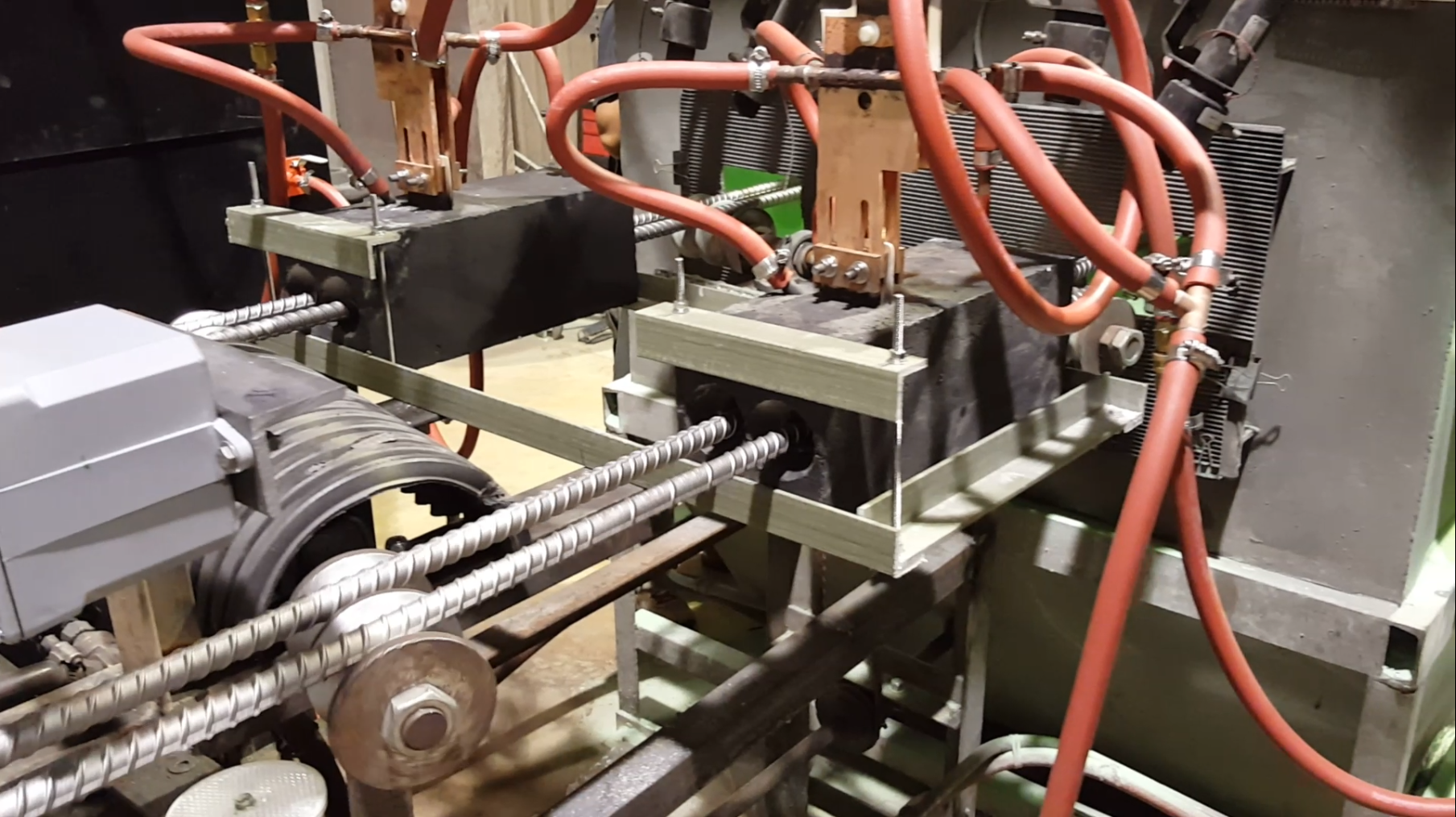
Preventative maintenance is not just a checklist. It is a structured way of evaluating the health of the system before problems interrupt production. For induction equipment, that often includes inspections of the coil, cooling system, power delivery, controls, and mechanical support components.
Typical maintenance tasks may include:
- Inspecting coils for wear or cracking
- Checking coolant flow and water quality
- Tightening electrical and mechanical connections
- Reviewing controls and alarm functions
- Confirming temperature consistency during operation
- Cleaning key surfaces and access points
These tasks may seem simple, but they are often the difference between a stable line and a costly outage.

Why Maintenance Matters in Induction Systems
Induction systems operate under demanding conditions. Heat, current, vibration, coolant, and production wear all act on the equipment every day. Even a well-designed system will degrade over time if routine maintenance is ignored.
ESC Induction and Thermo International help customers understand where the most common problems begin, including:
- Coil fatigue
- Cooling restrictions
- Loose bus connections
- Control drift
- Wear in service-sensitive components
Addressing these areas early helps avoid the kind of damage that forces extended downtime later.
Better Planning, Better Scheduling
One of the biggest advantages of preventative maintenance is that it puts the plant in control of the schedule. Instead of reacting to a failure, teams can choose the best time to inspect, repair, or replace components. This supports better production planning and gives maintenance teams time to prepare properly.
It also makes it easier to manage spare parts, service visits, and coil replacements before they become urgent.
Good maintenance planning gives manufacturers more control over both uptime and cost.
Seasonal Maintenance Considerations
Many plants benefit from seasonal maintenance reviews. In winter, coolant systems and cold-start conditions can create added stress. In summer, heat loads and environmental conditions may challenge cooling performance. These seasonal shifts can affect induction equipment in ways that are easy to overlook.
A proactive seasonal check can help ensure the system remains ready for the conditions ahead, not just the conditions behind it.
Support From ThermESC and Sister Companies
ThermESC works with ESC Induction and Thermo International to provide the support manufacturers need to keep induction systems dependable. That includes service evaluations, coil inspections, repair planning, and replacement recommendations based on real operating conditions.
Whether the system is part of a stationary automation line or a field-based heating application, the goal is the same: keep the process running safely and efficiently.
Maintenance as a Competitive Advantage
Preventative maintenance is often viewed as a support activity, but in reality it is a production strategy. Plants that maintain their systems well tend to run more consistently, deliver more reliably, and manage fewer surprises.
If your operation depends on induction heating, now is the time to look at whether your current maintenance approach is protecting uptime or simply reacting to problems after they occur.
To discuss maintenance planning or schedule a system review, contact ThermESC:
Phone:
970-483-5232
Website:
www.thermesc.com
Share with Your Network